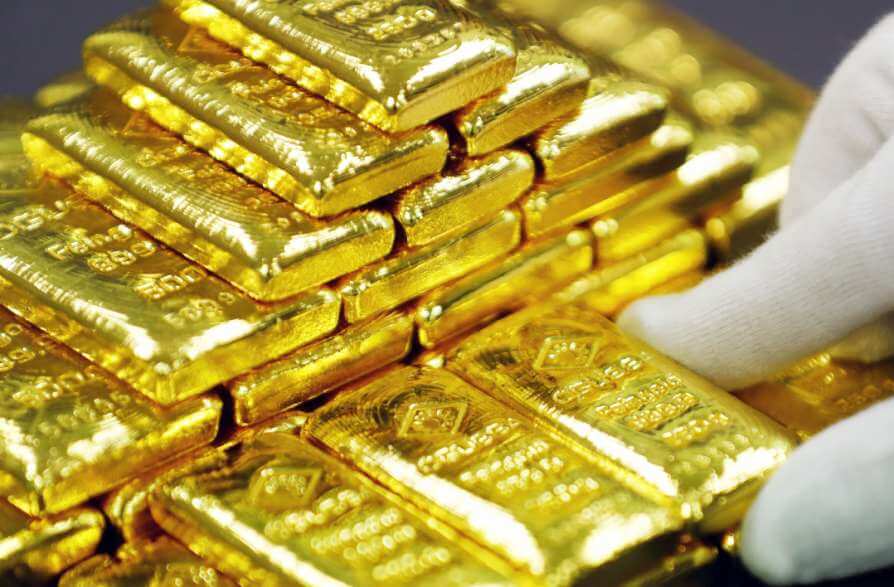
ACCRA: Ghana central bank’s recent decision to restrict gold exports has brought the issue of conflict gold into the limelight. Industry observers say that some of the conflict gold is being routed through Ghana to various refiners including some in India.
Last mile traceability has always been an issue in this case due to ease of making documents.
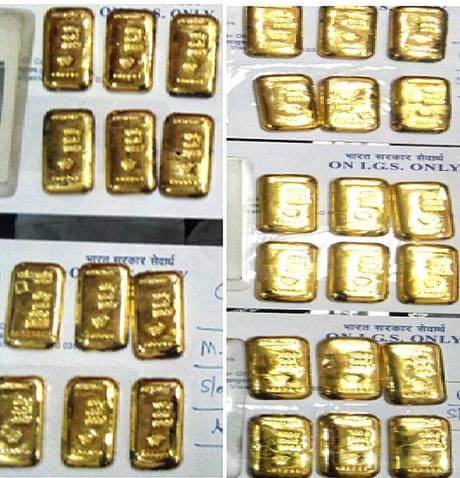
While it is necessary to declare the mine of origin at the importing country’s customs books, but such details are rarely declared. Only LBMA-accredited refiners or those professionally managed declare such details. But even if such details are declared, it is difficult to confirm them as dore is bought from aggregators.
The issue is significant for two reasons – one because good manufacturing practices are not followed in case of gold imported from Ghana and second because restriction of Ghana exports will reduce India’s dore imports.
Ghana, a nation on West Africa’s Gulf of Guinea, produced 108 tonne of gold in 2014, according to GFMS Gold Survey 2015.
Early this month, Ghana Central Bank canalised gold exports only through state agency Precious Metals Marketing Company (PMMC) with stringent norms. Ghana central bank had also clarified that it was forced to introduce new rules for gold exports due to the consistent under declaration of gold exports from Ghana.
Managing Director (MD) of PMMC, George Abradu-Otoo, in an interview with Business Guide said that the country exported gold worth $1.925 billion in 2014 that is about 55 tonne of gold.
These volumes have surprised many, given that large part of the mined gold is part of long term contracts with refiners. Thus many believe that conflict or exploited gold is being routed through Ghana and other countries.
Conflict or exploited gold is mined illegally or by employing child labor or using illicit means of mining. Such practice was prevalent in diamond mining but that was largely addressed by making Kimberly certificate a must.
Most of the gold is believed to have been exported by persons of Indian origin and routed through Dubai. While Indian importers may have made payments as normal business payments, sources said that ultimate payment reached Ghanaian exporters in a dubious way. Proceeds of such exports are said to be utilized for corruption, terrorist activities and so on.
Janette Tourney and Sudheesh Nambiath of GFMS Thomson Reuters analyzed Ghana’s gold business and implications in a paper in which they said, “unsurprisingly, given the historic and cultural significance of gold mining to Ghana, and its significant resource endowment, the country also has a well-developed informal, or small-scale, mining sector, which comprises many small, often artisanal operations, producing gold from licensed plots of up to 25 acres in area.