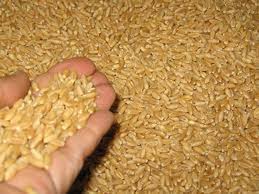
WASHINGTON: Finance Minister Pravin Gordhan has approved a 34% increase in the import duty on wheat from R911.20 a ton to R1,224.31 a ton pending an urgent review of the current variable import duty formula for wheat by the International Trade and Administration Commission.
The new tariff will apply for the rest of 2016. The formula is based on the international price of wheat. Treasury said in a statement that Mr Gordhan had proposed the review to Trade and Industry Minister Rob Davies as he “is particularly concerned about the impact of the higher import duty on wheat on the price of bread and other staple food but also mindful of the need to ensure policy certainty, food security and the financial health of the farming industry. “The Ministry of Finance also proposes that the review also be extended thereafter to the formulae for sugar and maize, as similar concerns apply.”


While SA is the sub-Saharan region’s biggest producer of the wheat after Ethiopia, it is still a net importer of the grain, according to the US Department of Agriculture data. The driest conditions since 1992 have damaged crops and livestock and sent local wheat prices to the highest on record, driving up food prices. The government has declared disaster areas in several provinces of the country, the continent’s biggest maize and sugar grower. South African inflation accelerated to 7% in February, the fastest pace since June 2009, adding to the central bank’s policy dilemma of rising consumer prices and slowing economic growth.
“It is sad that we had to threaten SARS (South African Revenue Service) with legal action to do their job, because this thing triggered in December and it took them three-and-a-half months and it is still not published in the Government Gazette, so we’ve got a promise but it’s still not published,” said Jannie de Villers, CEO of farmers’ lobby group Grain SA. Mr De Villiers said although the review of the variable import duty formula for wheat gave farmers more certainty, the delays caused by the process had already affected farmers.
“The farmers here in the Western Cape, they have already started planting so this delay a lot of farmers to have uncertainty about whether they should plant or not and how much they should plant, so the announcement is helping us with certainty but it’s very late, even the fact that they took so long,” he said. “The government is honouring the decision that the minister of Trade and Industry took in 2013 to protect local farmers against international subsidies. So now they have honoured that.”
“So I saw two things in the press release: one was that we approved the levy that he should have approved long-time ago; the second is we asked that the whole system be reviewed, so you now have to take a loan of R5m or R8m from a bank, you have to put it in the soil, you are not sure what the price is going to be because they want to review the whole system. So this is the uncertainty that they create,” said Mr De Villers.
“We have done a lot of things as the industry to try and revive the industry, so we just hope that this is not going to be a turnaround of all of those investments that we made… it’s not a one-year project, it’s a long-term project to try and improve the yields of farmers in this country to make sure South Africa can at least grow enough to feed ourselves.”
“This came at a good time because the guys are about to start planting,” Wandile Sihlobo, an economist at Grain SA, said by phone. “International wheat prices are at lower levels and are expected to stay lower because they had good output. This will encourage domestic production.” Wheat in Chicago is trading near the lowest in five-and-a-half years, while South African futures for the grain surged to a record in January.