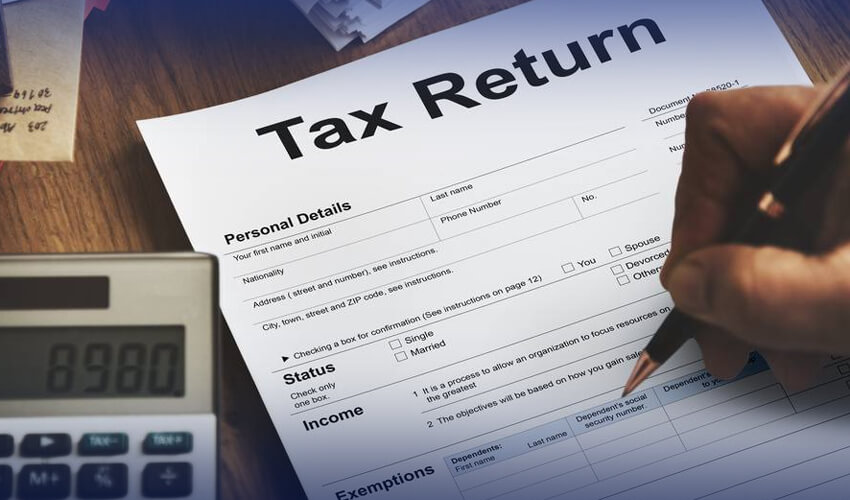
The federal government is reportedly preparing to set a significantly higher tax collection target of Rs14.3 trillion for the upcoming fiscal year, an increase of Rs2 trillion or 16 percent from the revised Rs12.3 trillion goal for the current year. This ambitious target would represent approximately 11 percent of the projected Gross Domestic Product (GDP) for FY26.
The proposed target is understood to exceed the Federal Board of Revenue’s (FBR) own internal projections and remains subject to approval from the International Monetary Fund (IMF) during their budget review visit, scheduled to commence on May 14. The government’s budget for the next fiscal year is expected to be presented by the Finance Minister on June 2 or 3.

To achieve the Rs14.3 trillion target, the government may introduce new tax measures amounting to at least Rs. 500 billion. These potential measures would be in addition to the Rs. 1.3 trillion in taxes already imposed during the current fiscal year, which included measures impacting salaried individuals.
Business Community Concerns and Proposals
Meanwhile, the business community has expressed concerns regarding the lack of government response to their budget proposals. The government had reportedly committed to responding to these proposals by the end of April, a deadline that has passed without official communication.
The Overseas Investors Chamber of Commerce and Industry (OICCI) has put forth several recommendations aimed at broadening the tax base and providing relief to compliant taxpayers. Among their key proposals are the withdrawal of Rs. 5,000 currency notes to curb the undocumented economy, the exemption of low-income earners from taxation, and the provision of tax relief for individuals and businesses with a strong record of tax compliance.
The OICCI also advocates for a gradual reduction in the corporate tax rate to 25 percent, a decrease in the super tax rate from 10 percent to 6 percent, and the restoration of the zero-rating regime for export-oriented sales.
However, many of the OICCI’s demands, including reduced taxes on essential goods like milk and juices, as well as dividends, are likely to face resistance due to existing conditions tied to the IMF program.
In an effort to boost revenue, the government has already increased the petroleum levy by Rs. 18, bringing it to Rs. 78 per liter. Despite this measure, significant improvements in overall tax revenue statistics are considered unlikely in the immediate term.