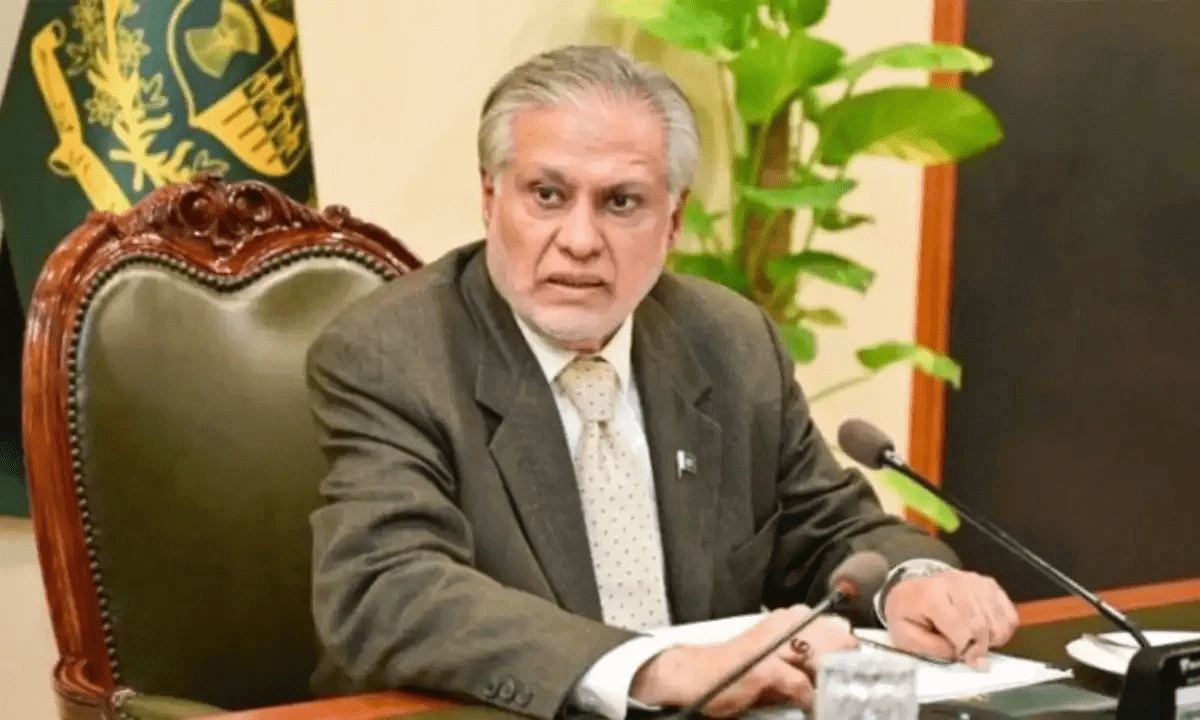
ISLAMABAD: An inter-ministerial meeting chaired by Deputy Prime Minister and Foreign Minister Senator Ishaq Dar has approved a comprehensive plan to revive Pakistan’s struggling cotton sector, including the collection of cotton cess through the Federal Board of Revenue (FBR). The plan targets longstanding issues in seed quality, research and development (R&D), and institutional governance.
The decision comes amid a sharp decline in cotton output for the 2025-26 season, which has fallen to 6.8 million bales, nearly 34% below the target of 10.18 million bales.


During the session, the Cotton Commissioner of the Ministry of National Food Security & Research (MNFS&R) presented an implementation roadmap incorporating proposals from the All Pakistan Textile Mills Association (APTMA). APTMA suggested creating an independent Cotton Board—similar to the U.S. model—to oversee the sector. However, the Minister for National Food Security noted that the ongoing merger of PARC and PCCC would address governance concerns raised by the industry.
The Chairperson of the National Seed Development and Regulatory Authority (NSDRA) highlighted the need for stronger seed regulation, prompting the committee to include NSDRA in the Apex Body supervising the revival plan.
The meeting also reviewed the poor performance of PCCC’s R&D activities, hindered by inadequate funding. Officials stressed the need to revise the cotton cess rate, which has remained unchanged at Rs50 per bale since 2011, in line with an earlier ECC decision. The committee agreed that cess will be collected through the FBR, with the rate increased accordingly.
The government reaffirmed its commitment to the revival programme, announcing that an MoU between MNFS&R/PCCC and the FBR will formalise cess collection through defined SOPs. The Pakistan Cotton Advisory Council (PCAC) or PCCC Board will include majority representation from industry stakeholders, and a substantial share of the cess will be dedicated to R&D.
Senator Dar closed the meeting by emphasizing that the revival initiative will remain industry-led, with APTMA continuing to steer the sector’s reform agenda.