ISLAMABAD: Pakistan’s government is accelerating efforts to modernize the country’s tax system through technology-driven reforms, with a strong focus on artificial intelligence, automation, and digital monitoring to reduce revenue leakages and broaden the tax base.
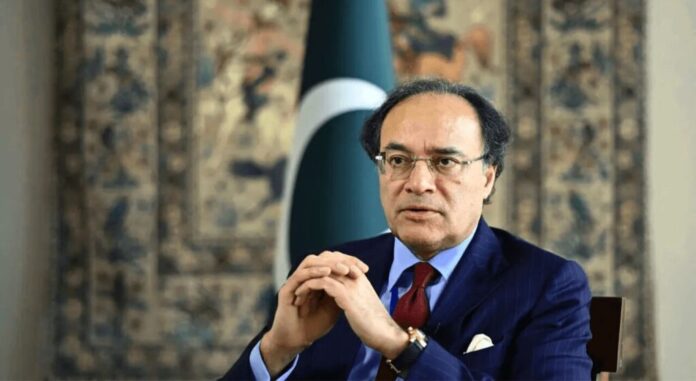
Federal Minister for Finance and Revenue Senator Muhammad Aurangzeb reaffirmed the government’s commitment during a meeting with a delegation from the Institute of Chartered Accountants of Pakistan (ICAP).


The finance minister said AI-based production monitoring systems and digital oversight mechanisms introduced across multiple sectors are already helping improve documentation, strengthen tax compliance, and curb leakages in revenue collection.
Aurangzeb highlighted that the government’s ongoing tax reforms are centered around improving people, processes, and technology within the tax administration framework. He said the reforms aim to modernize institutions, simplify tax procedures, increase automation, improve transparency, and minimize human intervention to facilitate taxpayers and improve efficiency.
He stressed the importance of continued collaboration with professional bodies and industry stakeholders to ensure taxation and economic policies remain practical, business-friendly, and aligned with Pakistan’s broader reform agenda.
During the meeting, the finance minister also highlighted the operationalization of the Tax Policy Office under the Finance Division, describing it as a major institutional reform intended to strengthen policy formulation and improve coordination between tax policy and administration.
Discussions further focused on the growing role of digital systems in enhancing tax enforcement and compliance across different sectors of the economy.
The ICAP delegation presented several proposals related to documentation measures, group taxation structures, export-oriented services, and harmonization of tax treatment across sectors.
Both sides also discussed reforms aimed at improving competitiveness, encouraging investment, enhancing ease of doing business, and increasing revenue collection while expanding the tax net.
Aurangzeb acknowledged the recommendations shared by ICAP and said the proposals would be reviewed during the ongoing formulation of the federal budget 2026-27.
He reiterated the government’s resolve to establish a transparent, technology-enabled, and facilitative tax system capable of supporting sustainable economic growth and stronger governance.