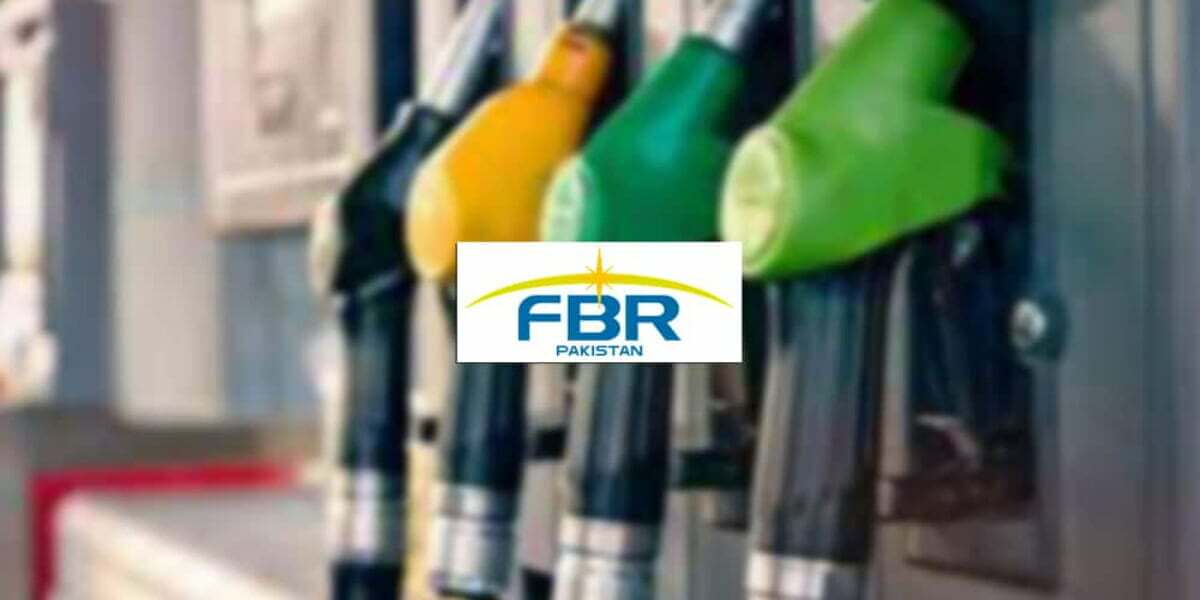
ISLAMABAD: The government has increased the levy on petroleum products, adding to the cost burden on consumers and making petrol and diesel a key source of revenue collection.
The levy on petrol and diesel has been increased by Rs13.91 per liter, according to the details.


After the latest increase, the levy on petrol has been fixed at Rs117.41 per liter.
The report shows that petroleum products have become one of the government’s main sources of income, with major taxes and duties built into consumer prices.
Taxes and charges of more than Rs198 per liter are being collected on petrol.
Petrol price breakdown
The price of petrol without taxes stands at Rs216.68 per liter. The petrol price also includes a premium of Rs29 per liter.
Other components include Rs117.41 per liter petroleum levy and Rs22.74 per liter customs duty.
Oil companies’ profit has been fixed at Rs8.64 per liter, while the distribution margin is Rs7.87 per liter.
The petrol price also includes a freight margin of Rs7.25 per liter, a climate support levy of Rs2.50 per liter and an exchange adjustment of Rs2.69 per liter.
Diesel levy reduced, freight margin also cut
The petrol levy on high-speed diesel has been reduced to Rs42.60 per liter. The freight margin on high-speed diesel has also been reduced by Rs9.38 per liter and fixed at Rs7.75.
According to the report, taxes worth Rs113.71 per liter are included in the diesel price.
The price of high-speed diesel is around Rs301 per liter. Diesel includes a levy of Rs42.60 per liter and customs duty of Rs32.48 per liter.
The price also includes a climate support levy of Rs2.50 per liter and sea damage duty of Rs8.91 per liter.
An exchange adjustment of Rs2.95 per liter and a freight margin of Rs7.76 per liter have also been imposed. The diesel price includes a distribution margin of Rs7.87 per liter and oil companies’ profit of Rs8.64 per liter.
A premium of $20 per barrel on high-speed diesel is included separately.
Petroleum products remain key revenue source
The latest breakdown shows why petroleum products remain expensive for consumers despite changes in individual margins and levies.
With taxes, duties, levies, margins, premiums and exchange adjustments built into the final prices, petrol and diesel continue to serve as a major source of government income.