Customs Today
  • Home
  • Islamabad
  • Karachi
  • Lahore
  • National
  • Transfers and Postings
  • Chambers & Associations
  • Business
No Result
View All Result
Customs Today
  • Home
  • Islamabad
  • Karachi
  • Lahore
  • National
  • Transfers and Postings
  • Chambers & Associations
  • Business
No Result
View All Result
Customs Today
No Result
View All Result
Home International Customs Greece

Greece dangles jackpot prize to curb tax dodgers

byCT Report
04/11/2017
in Greece
Share on FacebookShare on Twitter


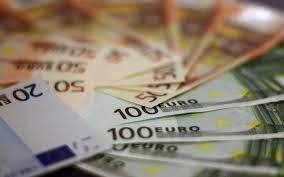
ATHENS: Greece is dangling the lure of a jackpot prize to coax people into paying their taxes, hoping to curb endemic tax evasion.

You might also like

Fitch officials project bright future for Greece

03/02/2020

Real Estate Prices in Greek Cities Soar in 2019

23/01/2020

From the end of October, taxpayers will automatically qualify to enter a raffle on the basis of the number of their electronic financial transactions, the finance ministry said.

The lucky winner could win a cash – and tax-exempt – prize of 1,000 euros, it said. With 1,000 winners each month, the move is expected to cost the Greek state a million euros per month to clamp down on tax evasion thought to cost Greece billions each year.

Greece first proposed the VAT lottery system to the country’s European Union and the International Monetary Fund lenders in 2014, hoping it would help prevent budget shortfalls. Making it operational is now a term in its current bailout, the third since the crisis broke out in 2009, and is aimed at boosting the use of electronic payments in a country that has been dominated by cash.

Other European countries, such as Portugal and Slovakia, have launched similar projects. Tax evasion, estimated at 11-16 billion euros annually, was widely blamed for helping to trigger Greece’s debt crisis, which led to harsh austerity measures, spending cuts and job losses. Repeated tax increases have also led to austerity fatigue.

Customers can often negotiate discounts on goods and services in Greece by agreeing to take them without a receipt – allowing shoppers, shops, and workers from plumbers to builders to avoid the country’s 24 percent VAT (Value Added Tax) rate.

Electronic payments have increased significantly since June 2015, when banks were shut for three weeks and capital controls were imposed on cash withdrawals. A month later, the then newly elected left-led government was forced to sign up to an 86 billion euro bailout that kept the country in the euro zone.




Related Stories

Fitch officials project bright future for Greece

byadmin
03/02/2020

Senior Fitch Ratings officials have expressed their optimism in comments to Kathimerini about Greece’s fundamentals in 2020, just a few...

Real Estate Prices in Greek Cities Soar in 2019

byadmin
23/01/2020

The real estate market in Greece’s largest cities recorded an impressive increase in the price of sales and rentals in...

Greece Appears to Bow to US Pressure, Delays Decision on Chinese 5G Network

byadmin
14/01/2020

Greece has been reluctant to use the Huawei Fifth Generation (5G) telecommunications network, although pilot programs have already taken place...

OECD Releases Cautiously Positive Report for Greek Economy

byadmin
23/12/2019

The Greek economy is projected to grow by 2.1 percent in 2020 and 2.0 percent in 2021, after experiencing a...

Next Post

Miraah solar plant delivers first steam to Amal West Oilfield

  • Terms and Conditions
  • Disclaimer

© 2011 Customs Today -World's first newspaper on customs. Customs Today.

No Result
View All Result
  • Transfers and Postings
  • Latest News
  • Karachi
  • Islamabad
  • Lahore
  • National
  • Chambers & Associations
  • Business
  • About Us

© 2011 Customs Today -World's first newspaper on customs. Customs Today.