HONG KONG: UN report points to gangs transiting Chinese and Middle Eastern migrants through the airport; Security Bureau denies claims
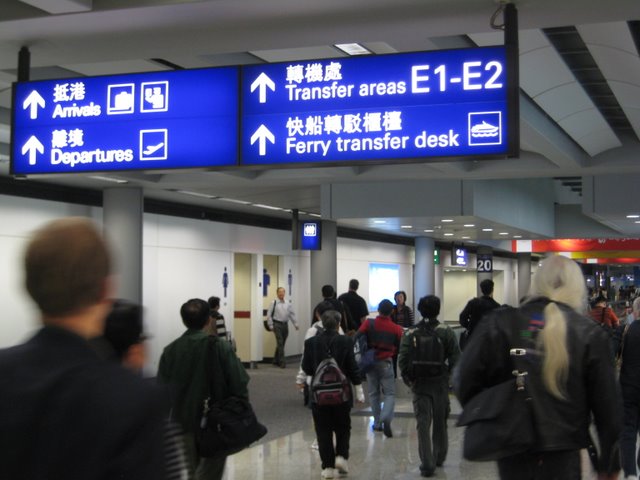
Chek Lap Kok is an “important embarkation point” for many mainland Chinese migrants going to the West, as well as people from the Middle East transiting to Malaysia and Indonesia, from where they are smuggled to Australia by boat.
You might also like


The findings come in a report released here the other day by the United Nations Office on Drugs and Crime, which highlights the threats posed to Asia by transnational human trafficking and smuggling gangs.
“People that make use of smugglers face increased risks to their health and safety,” said Jeremy Douglas, regional representative of the UN anti-crime office.
Chinese migrants often face harsh working conditions and debt bondage with repayment stretching over years, said the report, entitled Migrant Smuggling in Asia.
Both Hong Kong and Macau were labelled as transit points for migrants smuggled from mainland China, who are increasingly using fraudulent travel and identity documents to cross international borders.
The migrants typically leave the mainland using genuine documents, but switch to fraudulent papers in a transit jurisdiction.
The documents are produced in China, but sent to places likes Hong Kong, where crime syndicates pass them – along with plane tickets – to the prospective migrants.
Fake Hong Kong passports or identity documents from Japan or Taiwan are generally used because their citizens do not need visas for some European countries, the report said.
The syndicates behind the illegal rackets use sophisticated techniques to hide migrants from detection.
Often mainland Chinese will be disguised as students and will travel with academic transcripts and enrolment documents from educational institutions, which may be complicit in the trade. The papers may also be created solely for the purpose of illegal migration.
“The fees paid by smuggled migrants from China are quite high, which is due in part to the complexity and sophistication of the methods and routes employed,” the UN report said.
Some migrants were charged fees of up to US$50,000, which evidence suggested were often laundered through banks in Hong Kong or the mainland, it said.
Hong Kong’s Security Bureau rejected the claim, insisting: “Hong Kong is not a source, transit point or destination for human traffickers.”
A spokesman said it had “established [an] effective communication network and close working relationship with mainland and foreign counterparts” to counter illegal immigration.