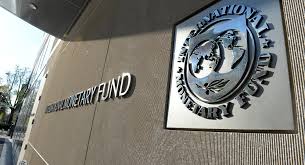
HONG KONG: Stretched property valuations mean Hong Kong’s economy is vulnerable if interest rates rise faster than expected, the International Monetary Fund said.
In its annual assessment of the Asian financial hub, the IMF identified three main risks — rising interest rates and potential global market volatility, China-linked stress, and a possible downturn in the property market.


With the U.S. Federal Reserve tipped to raise interest rates next week for only the second time in a decade, the higher borrowing costs will automatically flow through to Hong Kong, which effectively imports U.S. monetary policy because its currency is pegged to the greenback.
“A steeper-than-expected U.S. rate cycle or tightening of global financial conditions may have a bigger-than-usual adverse impact against a backdrop of high household debt with floating-rate mortgages,” the IMF said in its report, known as the Article IV Consultation.
Hong Kong’s government moved suddenly last month to cool prices in the world’s least affordable property market, raising stamp duties for all except first-time local buyers. The property market peaked in September 2015, before global economic uncertainty and slowing demand from mainland buyers sent prices lower for a while. Since March, prices inched back to near record levels by early November.