HONG KONG: Hong Kong stocks rebounded on Tuesday, with HSBC reaching a one-year high, while mainland markets retreated on the second day of trading on the newly opened Shenzhen-Hong Kong Stock Connect.
The Hang Seng Index closed up 0.75 per cent, or 169.60 points, to 22,675.15, while the Hang Seng China Enterprises Index added 0.59 per cent or 57.05 points, to 9,768.85.


Overall market turnover was at HK$60.67 billion, and trading volume was at 1.3 billion, below the five-day average of 1.97 billion.
The low turnover reflects investors’ unwillingness to enter the markets, according to Castor Pang Wai-san, head of research at Core Pacific-Yamaichi International (HK), with so many global economic uncertainties still dragging down sentiment.
“We continue to see the market is just [seeing a] rebound following the US market gains,” he said.
All three major US indexes closed higher the day before on rising crude oil prices, and data showing a one-year high for the US services sector in November.
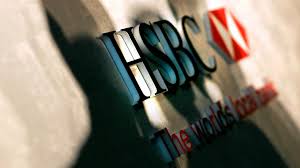
HSBC Holdings roared ahead 3.18 per cent to HK$63.25, its highest level in 52 weeks, leading the Hang Seng gainers, after long-time bear Morgan Stanley double upgraded the stock from underweight to overweight.
The broker was previously bearish on concerns HSBC wouldn’t be able to maintain its generous dividend payouts amid sluggish revenue growth. However, HSBC has large operations in Hong Kong, whose currency is pegged to the US dollars. And since Donald Trump‘s presidential win, US government bond yields have been rising, pushing Hong Kong’s interest rates up as well.
Outside the Shenzhen Stock Exchange. The Hong Kong and mainland markets remain unimpressed so far by the launch of the Shenzhen-Hong Kong Stock Connect trading link, which launched on Monday. Photo: Xinhua
The upbeat assessment pushed other bank stocks higher too, with China Construction Bank adding 0.69 per cent to HK$5.83, and both ICBC and Bank of China Hong Kong gaining 1.05 per cent.
Insurance stocks also moved higher. China Life rose 3.48 per cent to HK$22.30 as the second top gainer among the blue chips.
But AIA Group traded lower, losing 0.22 per cent after news that fewer mainland clients were buying insurance in Hong Kong using UnionPay.