

HONG KONG: Scientists found that human activity is more dangerous for species than climate change, after studying 11,000-year-old animal fossils found in the Bahamas.
In 2004, a retired military scuba diver named Brian Kakuk dived into the depths of a place called Sawmill Sink, a flooded sinkhole on Abaco, an island in the Bahamas. There he found a trove of bones from dozens of animals species that disappeared from the island —and many of them already extinct.
The bone collection contains more than 5,000 fossils from 96 vertebrate species: 13 fishes, 11 reptiles, 63 birds and 8 mammals, as 39 of them —the 41 percent— are gone from the island.
According to Kakuk, if humans had never reached this island, we could still see today animal species like Cuban crocodiles, Albury’s tortoises, and rock iguanas. A number of 22 species, including birds, reptiles and mammals, have disappeared since humans showed up in the region 1,000 years ago.
Islands are ideal environments for the developing and studying of species, as their isolation makes it easier to find the factors that contribute to the animal’s growth. The perfect example for this is the Galapagos Islands, where Charles Darwin did the most important part of his research.
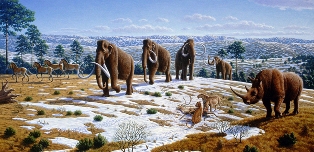
Paleontologists often give credit to the Pleistocene-Holocene transition for the extinctions of numerous species like mammoths, saber-toothed cats, horses, camels and giant sloths, although there is an argue about the role of humans in the process.

Karachi Port sets 138-year cargo handling record
KARACHI: Pakistan's maritime sector has achieved a major milestone as Karachi Port set a new record in its 138-year history...