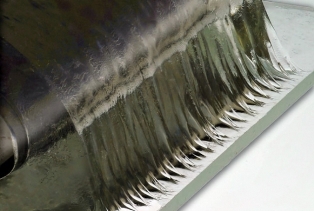
HONG KONG: Superglue— it’s not just for accidentally sticking your fingertips together anymore. Modern adhesives are finding their way into everything from underwater military applications to hospitals. And now, researchers at MIT have found a chemical strategy for upping the stickiness ante. They’ve developed a material that’s 90% water, and that adheres to surfaces like glass, titanium, aluminum, and ceramics with a toughness approximating that of nature’s interfaces between tendons and bone.
The new glue is a hydrogel— a network of gummy material impregnated with water. Mussels and barnacles make these kinds of sticky substances themselves, and use them to cling to rocks and ship hulls. This fact hasn’t escaped scientists— they’ve been trying to emulate sea creatures’ gluey goo for years.


So what’s new about this MIT hydrogel? Hydrogels can often contain high amounts of water, even as high as 90%. What’s new here is all in the chemical design of the other 10%, as the engineers who made the advance laid out Monday in the journal Nature Materials. The team needed to create a tough interaction between something gooey and flexible (a hydrogel) and a rigid surface (glass, titanium, etc). Many research teams have tried to attain this very goal, but the most common result is an interaction that’s too brittle or weak to be broadly useful. The best results have often come from substances that don’t have as high a water content.