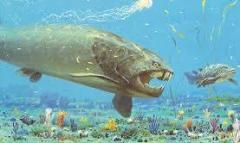


WASHINGTON: It may have taken less oxygen to trigger the appearance of complex life forms on Earth than previously thought, according to a new study.
If oxygen was a driver of the early evolution of animals, only a slight bump in oxygen levels facilitated it, researchers said.
The study calls into question the long held theory that a dramatic change in oxygen levels might have been responsible for the appearance of complicated life forms like whales, sharks, and squids evolving from less complicated life forms, such as microorganisms, algae, and sponges.
The researchers discovered oxygen levels rose in the water and atmosphere, but at lower levels than was thought necessary to trigger life changes.
“We suggest that about 635 million to 542 million years ago, Earth passed some low, but critical, threshold in oxygenation for animals,” said Benjamin Gill, an assistant professor of geoscience in Virginia Tech’s College of Science.
“That threshold was in the range of a 10 to 40 per cent increase, and was the second time in Earth’s history that oxygen levels significantly rose,” said Gill.
The scientists estimated oxygen levels by analysing iron found in shale rock, which was once mud on ancient seafloors. The location and amounts of iron in the rock gave important clues about ancient ocean water chemistries over time.
Rock data from across the world were collected by the research team, analysed, compiled, and statistically modelled.

Karachi Port sets 138-year cargo handling record
KARACHI: Pakistan's maritime sector has achieved a major milestone as Karachi Port set a new record in its 138-year history...