ISLAMABAD: Federal Minister for Energy Owais Leghari has said that the International Monetary Fund (IMF) is not allowing Pakistan to provide electricity at discounted rates during specific hours, adding that negotiations on the proposal have been underway for the past several months.
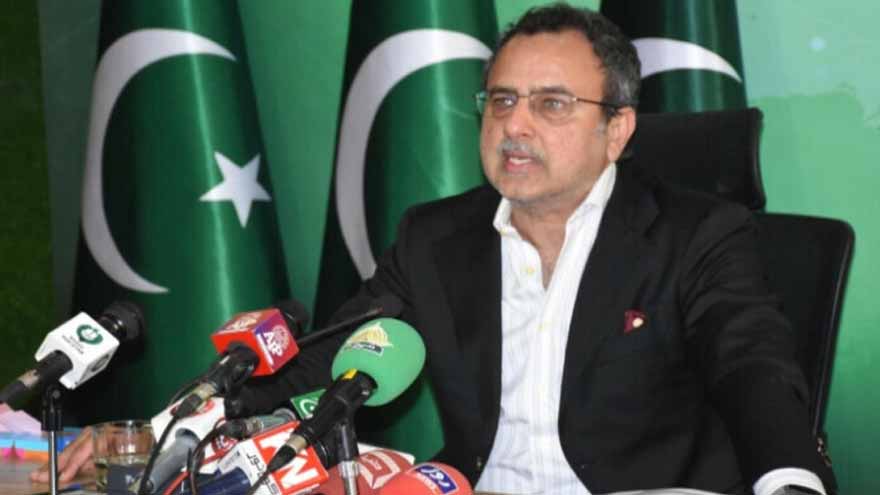
Speaking at the Battery Storage Flexibility 2026 Conference in Islamabad, Leghari said the government believes time-based discounted electricity tariffs could help increase power consumption and make better use of available electricity, particularly during off-peak periods.


He cited the example of an Australian company that significantly increased electricity sales after introducing a similar pricing mechanism, expressing confidence that the government would continue efforts to convince the IMF to approve the proposal.
The minister said Pakistan is implementing major energy sector reforms and will present all relevant facts to the IMF to secure its support. He also announced that the country’s first comprehensive energy plan is expected to be unveiled by April next year.
Highlighting the growing role of renewable energy, Leghari said consumers would increasingly be able to store electricity generated from rooftop solar systems and use it at night. He added that electricity supply had remained relatively stable during daytime hours due to the greater availability of solar power.
The energy minister noted that clean energy now accounts for around 55 percent of Pakistan’s electricity generation, with the government aiming to raise that share to 90 percent by 2035. He stressed that achieving this target would not be possible through solar and wind power alone, emphasizing that battery energy storage would play a critical role in balancing the national grid and improving energy reliability.
Leghari also said the government is prioritizing the development of a domestic battery energy storage industry. Instead of relying on imports, Pakistan plans to promote local manufacturing, engineering, system integration, and battery management software to strengthen the country’s clean energy infrastructure.