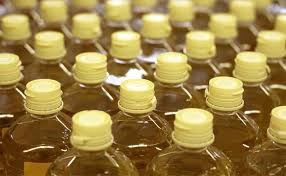
NEW DELHI: With the even spread of rainfall in the second half of the current monsoon season raising prospects of better kharif oilseed output, edible oil production in the crushing season 2017-18 is likely to be the highest ever in the country. Indore-based GGN International, one of India’s largest research firms, forecasts total edible oil production in the country at 7.66 million tonnes for the oil year (November–October) 2017-18, compared to 7.05 million tonnes in the previous year. With an increase in opening stock of a record 2.42 million tonnes, India’s edible oil availability from domestic sources is estimated at an all-time high of over 10 million tonnes. Indian edible oil importers have strategically built a massive inventory on decline in crude palm oil (CPO) prices in the past few months. With a total opening stock of 1.92 million tonnes, India’s total edible oil availability was reported at 8.97 million tonnes in the oil year 2016-17. The estimated increase in domestic production is likely to reduce India’s annual edible oil import bill, which currently stands at Rs 65,000 crore against an annual inward shipment of around 15 million tonnes. India currently imports CPO largely from Indonesia, refined oil from Malaysia, sunflower oil from Ukraine and refined soybean oil from Argentina.
“India reported continuous drought during the past two years resulted in lower oilseed production and domestic edible oil output. Despite a record soybean output last year, domestic crushers did not find parity due to low oil prices in the international markets. Consequently, huge soybean stocks remained uncrushed so far this season. Thanks to the government’s decision to raise import duty early August, both edible oilseeds and oils have become a little costlier, making soybean crushing profitable. Still, around 1.5 million tonnes of the overall 11.7 million tonnes of soybean output would be left uncrushed this season and would be available for crushing only next year. Apart from that, oil manufacturers would see some parity in crushing domestic seeds, resulting in higher oil availability from local sources,” said Govindbhai Patel, managing partner, G G Patel & Nikhil Research Company. The firm forecasts India’s kharif oilseed production at 14.43 million tonnes for the harvesting season 2017-18, down over 12 per cent from the previous year’s level of 16.43 million tonnes. Data compiled by the Union Ministry of Agriculture showed India’s soybean acreage lower by around one million ha this year to 10.5 million ha as of September 15. Sowing area under groundnut also posted a decline of 500,000 ha to 4.1 million ha.


Acreage under other oilseeds also remained lower this kharif season due to falling prices in the spot market throughout last year. Barring a few occasions, oilseed prices continued to prevail below the minimum support price throughout last year. “While oilseeds acreage was reported to be lower this kharif season, the September rainfall has raised prospects for better rabi season. We estimate higher oilseed output with positive crushing parity in 2017-18,” said B V Mehta, Executive Director, Solvent Extractors’ Association of India (SEA). Meanwhile, the Central Government raised import duty on CPO and RBD (refined, bleached and diodized) to 15 per cent and 25 per cent in August from their respective levels of 5 per cent and 15 per cent earlier. The move was aimed to protect farmers’ interest to continue oilseed sowing as farmers had opted this kharif season for shifting from oilseeds to other remunerative crops including cotton which threatened oil availability in India.