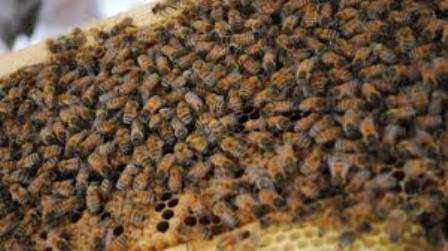


HONG KONG: A study conducted by government researchers have shown that insecticide could be causing a tremendous impact on honeybee population. Researchers during the study have found the impact in more than half of streams sampled across the US.
Researchers in the study published in Environmental Chemistry found that five types of insecticides that are known as neonicotinoids were found to be present in varying degrees in 149 samples that were collected from 48 streams.
USGS researcher Michael Focazio said one of the types was detected in 63% of the collected samples. The samples were collected from several waterways through the Midwest and Southeast. The insecticides concentration level was found different in the samples, said researchers.
In past few years some evidences link the use of neonics to a widespread die-offs of honeybees needed to pollinate crops. There are also fears the insecticides are harming other pollinators.
Neonicotinoids, chemically similar to nicotine, are one of the fastest growing classes of insecticides across the world and are used both in agricultural and urban settings. These have been highly used by farmers and are often used to coat seeds before they are planted.
The USGS stated that th4ere study is the first ational-scale investigation of the environmental occurrence of neonicotinoid insecticides in agricultural and urban settings.

Karachi Port sets 138-year cargo handling record
KARACHI: Pakistan's maritime sector has achieved a major milestone as Karachi Port set a new record in its 138-year history...