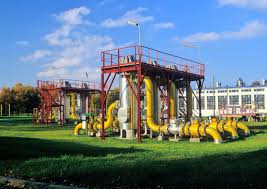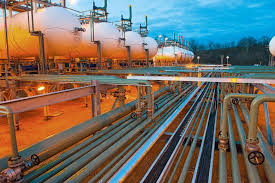
TEHRAN: The long-awaited gas pipeline project of Turkmenistan, Afghanistan, Pakistan and India (TAPI) connecting the energy-rich Central Asian nation with the South Asian countries was inaugurated couple of days ago.
Considering the facts on the ground including political differences of the involved countries in the project and also insecurity and instability in the region many experts believe the successful realization of the project will depend on the ability of the project participants to maneuver through among others geopolitical, financial and technical challenges.
The vague statement by the Turkmenistan government regarding the loan provided by Saudi Fund of Development failed to bring clarity to the loan terms and the actual amount of the loan. Moreover, the consortium has yet to bring clarity to the technical questions such as the transit fees and sales-and-purchase agreements for the gas.
The integrity of the Afghanistan stretch of the pipeline will depend on security guarantees provided by a non-state actor such as Taliban and tribe leaders. Fragile nature of the relations between Afghanistan and Pakistan, as well as, outstanding issues in relations between Pakistan and India will test the solidarity of the project participants to successfully complete and operate the pipeline.Iran is losing the historic chance to capture the market share in increasingly competitive natural gas, especially LNG, market. The dearth of its pipeline and LNG infrastructure constrains Iran’s efforts to become a significant player in the market. New large gas fields are being discovered in south shores of Europe, which are becoming substantial competitors for Iranian gas in European and Asian markets.