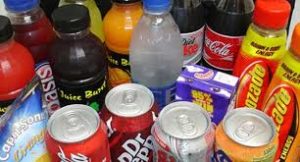
DUBLIN: The Irish Government is consulting on plans to introduce a tax on sugar-sweetened drinks from April 2018.
The policy was announced in the Programme for Partnership Government (PfPG) and confirmed in the 2017 Budget. The aim of the consultation is to determine how the tax will operate in practice.


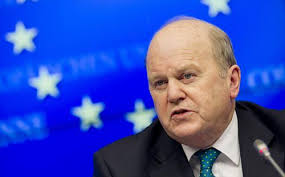
In his Budget speech, Finance Minister Michael Noonan said: “It is of utmost importance to me that such a tax is as effective as possible, as fair as possible, and minimizes the administrative burden on businesses.” He pointed out the “highly integrated production and supply chains which exist in the soft drinks industry between Ireland and the UK,” and explained that the tax will therefore be aligned with the UK’s planned Soft Drinks Industry Levy (SDIL), “in terms of time-frame and structure.”
Ireland’s Department of Health has proposed that the sugar-sweetened drinks tax should apply to water-based and juice-based drinks that have an added sugar content of 5 grams per 100ml and above. According to the consultation document, “a volumetric rate imposed at a specific amount per hectoliter is the tax structure most likely to deliver on the PfPG goals of raising revenues while tackling obesity.” The Department of Health’s proposal excludes pure fruit juices with a natural sugar content of over 5 grams per 100ml, and all dairy-based sugar-sweetened drinks.
The Government intends for liability to pay the tax to fall at the earliest possible point in the distribution chain. “Under this approach, the tax will be collected from a limited number of traders who are manufacturers and importers of sugar-sweetened drinks, thereby reducing tax administration and compliance costs,” the consultation document stated.
The UK Government is currently consulting on the design of its SDIL, which will be charged to producers and importers of soft drinks with added sugar. The Government has proposed that the SDIL will apply to volumes of added sugar drinks with a total sugar content of five grams or more per 100ml, with a higher rate for drinks with eight grams or more. The rates have not yet been set. The Irish consultation will run until January 3, 2017.
The policy was condemned by the Irish Beverage Council. Its Director, Kevin McPartlan, accused Noonan of laboring “under the delusion that additional taxes on soft drinks will have any positive impact on obesity,” and warned that “a sugar tax will hit consumers, industry, and the economy, for no public health benefit.”
McPartlan did nevertheless welcome Noonan’s announcement that the levy will not be introduced ahead of the UK’s SDIL. “We can only hope [the] Government will engage in meaningful dialogue to minimize the economic loss to industry and threat to Irish jobs,” he said.