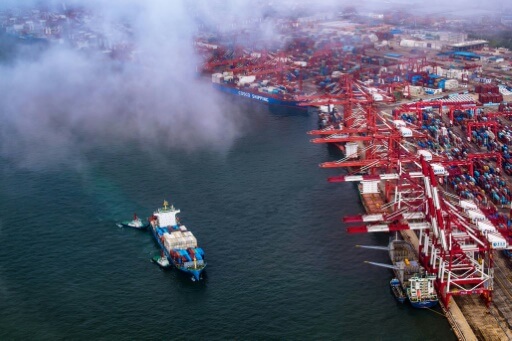
TOKYO: Japanese auto manufacturers have decided to suspend exports to Vietnam following stringent quality regulations the Vietnamese government put in place on January 1 this year. Toyota said on Tuesday that it has halted all production for export to the Vietnamese market, Nikkei said in a Wednesday report. The firm manufactures auto components in Vietnam, but imports of completely built units (CBUs) from Thailand, Indonesia and Japan account for around one-fifth of what it sells in the market, said the report. Fellow Japanese giant Honda had previously planned to consolidate all production of its SUVs in Thailand to take advantage of a new tariff rule that also took effect this year to cut import tariffs for autos built and sold within the Association of Southeast Asian Nations (ASEAN) from 30 percent to zero. The company has since abandoned that plan, and production of vehicles intended for the Vietnamese market has been suspended since early January. In a similar move, Mitsubishi Motors has suspended production in Thailand of its Pajero Sports SUV designed for the Vietnamese market, according to Nikkei. Vietnam’s new decree is aimed at protecting the local auto industry now that import taxes within the region have been eliminated, according to officials. And it looks like the rule is doing its job and causing difficulties for both importers and exporters of CBUs by costing them more time and money. The decree stipulates that traders are only permitted to import automobiles if they can provide valid vehicle registration certificates issued by authorities from the countries of origin. Original quality control certificates for each vehicle and letters of authorization regarding recalls of defective vehicles from the manufacturers are also required, along with copies of quality assurance certificates provided by the countries of origin. The decree also requires importers to have one car from each batch shipped to Vietnam to go through emissions and safety tests. Under the previous regulation, only one certificate was required for each model of car, regardless of how many batches were imported. Toyota Motor Thailand President Michinobu Sugata was quoted by Nikkei as saying that the company had been expecting “a big jump in 2018”, but due to the non-tariff barriers, “it cannot export to the market at all”. In November last year, the Vietnam Automobile Manufacturers Association wrote to the Prime Minister urging the government to reconsider the regulation. The association said it was extremely difficult for traders to get valid vehicle registration certificates issued by authorities from the countries of origin, and the process would take both importers and exporters a lot of time and effort. Regarding the requirement for emissions and safety tests on every batch of imports, it said the move would raise the cost by an estimated $10,000 per shipment because traders would have to pay for storage while the cars were checked, rather than selling them straight away.
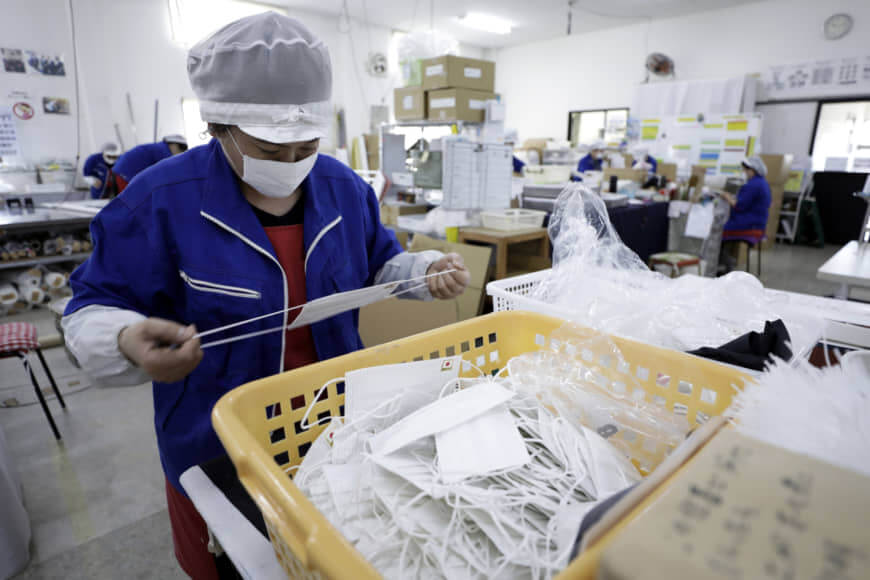
Japan mask prices surge on online flea markets amid coronavirus scare
OSAKA – As the shortage of face masks continues in Japan amid the spread of a new coronavirus originating in...