IT HAS TAKEN more than a century, but Japanese banks are finally parting ways with a piece of technology that hasn’t felt cutting edge since the shogun reigned.
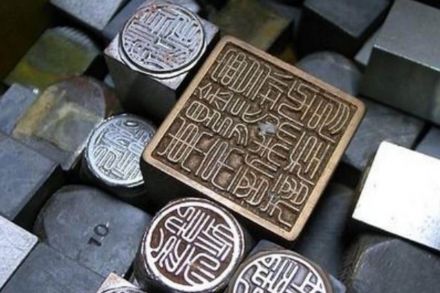
Hanko, the personal stamps required for even simple transactions in Japan since the 1800s, are getting phased out at some of the country’s biggest financial institutions.

Lenders have begun allowing customers to transfer money or make payments with their smartphone or a tablet, instead of pressing wood to ink and paper like their ancestors. For millennials in Japan, one of the most tech-obsessed places on Earth, the change is long overdue.
“It’s too much work to bring hanko and do the paperwork just to withdraw money at branches,” said Tomoyuki Shiraishi, a 24-year-old construction worker in Kurashiki, western Japan.
After arriving late to the fintech revolution, Japanese banks are racing to catch up as they try to slash paperwork, boost efficiency and appeal to younger generations.
Small businesses use them for many contracts, and they’re still required for things like marriage and home ownership
Mitsubishi UFJ Financial Group Inc., the country’s biggest lender, is a case in point. The bank has started offering accounts that don’t require hanko or passbooks and is overhauling its branch network to replace rows of tellers with tablet computers and video booths.
The goal is to help customers adapt to digital platforms so they can eventually do more banking on their own devices. As many as 100 of MUFG’s 500-plus domestic outlets will convert to the new format by 2024. The Tokyo-based lender plans to halve the number of branches with traditional counters over the same period.
MUFG isn’t alone. Resona Holdings Inc. last year started allowing customers to open accounts without hanko at about 600 branches. The shift to digital has support from Prime Minister Shinzo Abe’s administration, which has drafted a bill to make more government services available online.
Winning over Japan’s bureaucracy hasn’t been easy. It took MUFG two years to convince 450 local governments to begin processing tax payments electronically, said Takayuki Ogura, a director at the group’s main banking unit.
In other areas of Japanese officialdom, hanko are firmly entrenched. Small businesses use them for many contracts, and they’re still required for things like marriage and home ownership.
Parents often buy hand-crafted hanko for their children when they come of age, and tourists take them home as souvenirs, said Keiichi Fukushima, a licensed carver and fourth-generation owner of a shop that sells the stamps in Tokyo’s historic Ueno district. Hanko-making is a $1.5 billion-a-year industry, said Fukushima, who is vice chairman of the national trade group.