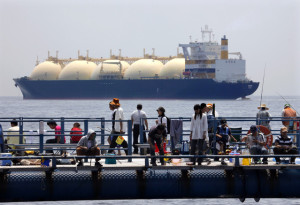
TOKYO: Japan’s LNG imports fell by 9% year on year in April, bucking a trend of rising imports since last December. The country’s demand for LNG is expected to have peaked and will decline going into summer. Demand for LNG from the power sector has also been falling in anticipation of two reactors at the Sendai nuclear plant restarting in August.
Japan’s average LNG price fell by $2.06/MMBtu in April to $10.23/MMBtu, the lowest prices have been since the Fukushima disaster. The price of spot cargoes arriving in the country increased slightly in April to $7.90/MMBtu, according to statistics from the Ministry of Energy, Trade and Industry – meaning long-term contract prices fell.
You might also like


The total volume of LNG imported into Japan in the first four months of 2015 was similar to 2014, but the total cost fell by 23%. Japan has paid more than $6 billion less for LNG this year compared with the same period last year.
The volume of LNG imported by South Korea fell for the fourth consecutive month in April. Total imports were down by 17% to April 2015 compared with the same period last year. Prices have also fallen from an average of $16.11/MMBtu in December 2014 to $11.74/MMBtu in April.
Qatar supplied the most expensive LNG to Korea in April, at an average cost of $13.21/MMBtu – down from $17.82/MMBtu a year ago. The cheapest LNG came from Indonesia, at $9.60/MMBtu – down by $4.85/MMBtu from a year earlier.
Korea’s largest year-on-year change in price was for cargoes from Brunei, which fell by $7.27/MMBtu. The total value of LNG bought in April 2015 was $1.7 billion – a four-year low. The world’s two largest LNG importers are reducing the amount they take just as new supply sources are expected to come online in Australia and the United States.