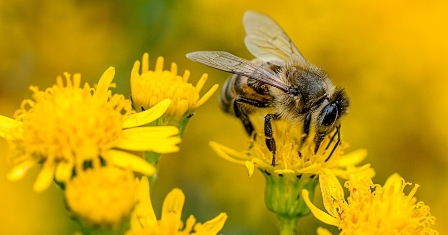


EUROPE: A new bee tracking study shows that protecting wild bees may be just as important as tackling the decline of domesticated honeybee colonies.
After tracking bees around the world, researchers concluded that only two percent of wild bee species pollinate 80 percent of bee-pollinated crops worldwide.
That means there’s a powerful economic rationale for conserving wild bees. It calculates the value of wild bee pollination to the global food system at $3,000 per hectare of insect-pollinated agricultural land, amounting to billions of dollars globally.
The study, published in Nature Communications, shows that, while agricultural development and pesticides have been shown to produce sharp declines in many wild bee populations, some of the key species can remain abundant in agricultural landscapes.
But the findings also offer a warning to conservation advocates hoping that economic arguments can justify the preservation of all species. Moral reasons are still needed, the researchers said.
“This study shows us that wild bees provide enormous economic benefits, but reaffirms that the justification for protecting species cannot always be economic,” said study co-author Taylor Ricketts, with the University of Vermont’s Gund Institute For Ecological Economic. “We still have to agree that protecting biodiversity is the right thing to do.”

Karachi Port sets 138-year cargo handling record
KARACHI: Pakistan's maritime sector has achieved a major milestone as Karachi Port set a new record in its 138-year history...