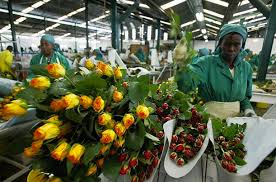
NAIROBI: Flower production has reduced since October due to the El Nino rains, the Kenya Flower Council has said. Chief executive Jane Ngigi, however, said the El Nino has not damaged flower farms but moving produce from the farms has become difficult due to bad roads and cited areas like Athi River.
“Many farms are ready to harvest the rain water into their reservoirs. But we also have to prepare to deal with disease outbreaks like Botrytis and Downy Mildew which become prevalent during such weather,” she told the Star via email. She said flower yields ahead of the rains was good.


According to the Kenya National Bureau of Statistics, cut flower exports rose by 11.7 per cent in the first quarter of 2015 to 34,827.29 metric tonnes from 31,170.48MT exported in a similar period last year. The volume, however, reduced in the second quarter to 29,357.85MT from 30,649.35MT recorded in the same period in 2014.
Ngigi said the industry’s biggest challenge this year has been the stalled VAT refunds and compensation for the General System of Preference duties paid to the European Union in 2014 when Kenya was denied the duty free quota free access to the bloc.
Other challenges include the continued rise in the cost of doing business, proliferation of multiple and double taxation, ratification of the economic partnership agreements between the East African Community and the EU and difficulties in the diversification of products.
She said they have continued explore new markets away from the traditional European market and Kenyan flower are now being exported to 50 different destinations all over the world.
She said they launched a private public partnership on the National Mechanism for Compliance, to support the flower industry to continue accessing markets, particularly in the EU, where Kenya enjoys a 35 per cent market share of cut flower imports.
“The system requires all exporters to comply to the reviewed Kenya Standards 1758 Part One – Flowers and Ornamentals and in addition have a traceability system in place. The expected outcome is growth and expansion as a result of enhanced market access and competitiveness,” she said.
“With a national mechanism for compliance in place, the industry will endeavor to promote Kenyan flowers as and sustainably grown. This will become a powerful tool for promoting the Kenya flowers in the global market place,” she added.