Customs Today
  • Home
  • Islamabad
  • Karachi
  • Lahore
  • National
  • Transfers and Postings
  • Chambers & Associations
  • Business
No Result
View All Result
Customs Today
  • Home
  • Islamabad
  • Karachi
  • Lahore
  • National
  • Transfers and Postings
  • Chambers & Associations
  • Business
No Result
View All Result
Customs Today
No Result
View All Result
Home International Customs

Kiwi Customs to create new technology to access paswords

byCustoms Today Report
28/03/2015
in International Customs, New Zealand
Share on FacebookShare on Twitter

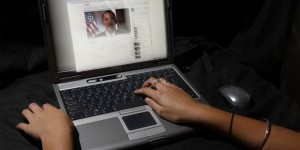
WALLINGTON: New Zealand Customs has asked for the creation of new technology to access the paswords of electronic devices carried by people with them.

The agency has also floated other possibilities including collection of biometric information and making passengers empty their pockets if asked by an officer, even if there is no reasonable suspicion.


You might also like

lamic banking assets reach Rs14.47 trillion, sector share rises to 23%

07/03/2026

Shippers see temporary lull in exports

05/02/2020

A discussion paper on changes to the Customs and Excise Act has been released, outlining a number of changes the agency wants considered. Currently, when Customs examines a person’s electronic device the owner is not legally obliged to provide a password or encryption key.

It is relatively uncommon for people to refuse to provide this, Customs notes in the discussion paper, but “the number who refuse may increase as technology continues to develop”. If people do refuse, Customs notes it “can mean we have no way of uncovering evidence of criminal offending even when we know the device holds this evidence”.

Its preferred solution is to change the law to authorise Customs officers to require access to an electronic device, which is comparable to measures in Australia, the United States, Canada and the United Kingdom.

“Customs recognises that accessing a person’s smartphone or laptop can be a sensitive and personal matter, as many people will have personal items such as family photos or emails on their device,” the document states.

NZ Council for Civil Liberties chair Thomas Beagle said there were a number of serious issues about the workability of such a change.


 

Related Stories

lamic banking assets reach Rs14.47 trillion, sector share rises to 23%

byCT Report
07/03/2026

KARACHI: Pakistan’s Islamic banking sector expanded during 2025, increasing its share in the country’s financial system with assets reaching nearly...

Shippers see temporary lull in exports

byadmin
05/02/2020

Shippers expect the coronavirus outbreak to have the greatest effect on farm product exports, notably fresh fruits and vegetables, with...

Toyota Motor Corp. employees work on the Crown vehicle production line at the company's Motomachi plant in Toyota City, Aichi, Japan, on Thursday, July 26, 2018. Toyota may stop importing some models into the U.S. if President Donald Trump raises vehicle tariffs, while other cars and trucks in showrooms will get more expensive, according to the automaker’s North American chief. Photographer: Shiho Fukada/Bloomberg

Toyota SA to invest over R4 billion in car assembly and parts

byadmin
05/02/2020

Toyota SA Motors (TSAM) has announced a R4.28bn investment in local vehicle assembly and parts supply. Speaking at the company’s...

Over 80 Kilos Cocaine Found On Dutch Plane In Argentina; Three Dutch Arrested

byadmin
05/02/2020

More than 80 kilograms of cocaine was found on a Martinair Cargo plane in Argentina. Seven men, three of whom...

Next Post

Tiny kirobo robot sets 2 Guinness World records

  • Terms and Conditions
  • Disclaimer

© 2011 Customs Today -World's first newspaper on customs. Customs Today.

No Result
View All Result
  • Transfers and Postings
  • Latest News
  • Karachi
  • Islamabad
  • Lahore
  • National
  • Chambers & Associations
  • Business
  • About Us

© 2011 Customs Today -World's first newspaper on customs. Customs Today.