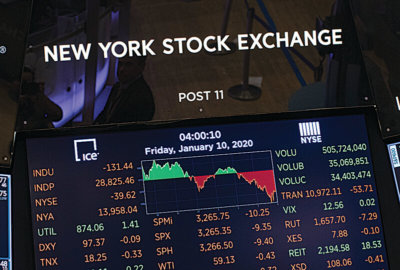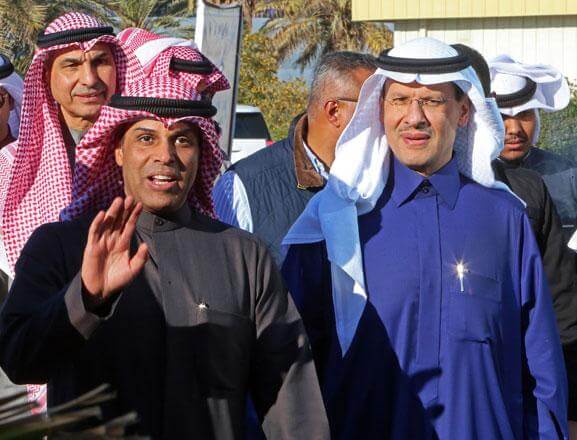
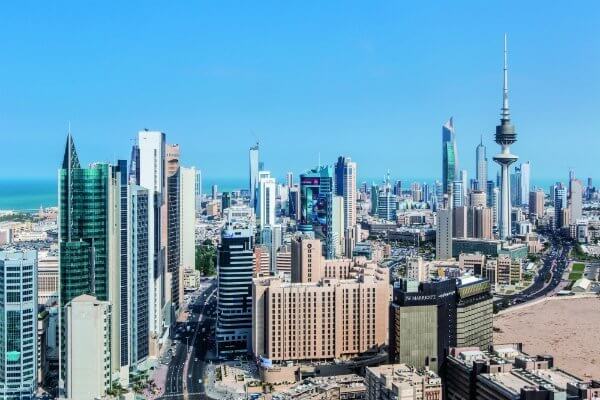
KUWAIT CITY: After years of subdued investor interest and muted stock market performance, signs of optimism are finally emerging in Kuwait. A reform-ready government with the determination and ability to spend, attractively priced stocks and aspirations to join the UAE and Qatar as a member of the MSCI Emerging Markets Index, could be making the often ignored, and under-allocated GCC market an increasingly attractive one for investors.
In past years, persistent standoffs between cabinet and parliament, combined with cumbersome bureaucracy, has often curtailed plans to grow the economy, scaring away potential investors in the process. But hopes are growing that the recently held elections will usher in a more unified government that can help Kuwait realise much of its economic potential.
Kuwait’s risk profile is looking increasingly favourable, with some investors seeing a return profile skewed to the upside, coupled with undemanding stock market valuations. The MSCI Kuwait Index trades at a forward price-to-earnings’ ratio of 12.5x compared with 14.7x for the MSCI Emerging Markets’ Index, with a combined dividend yield of around 4.3 per cent and an improving outlook for corporate earnings, making for a constructive view on Kuwaiti stocks.
Like most of its counterparts in the Gulf, Kuwait’s fiscal and external accounts have been hit hard by a sustained period of low oil prices. However, cautious underspending in years of abundance has left Kuwait with ample reserves to support the country’s rejuvenated ambition. A relatively robust non-oil sector and strong oversight by the country’s central bank and stock market regulator has assured the health of the financial sector.
Backed by a solid ‘AA’ credit rating, and a break even oil price of roughly $52 a barrel, the lowest in the GCC according to the International Monetary Fund, give the Kuwaiti market a strong grounding. At the centre of this growing optimism is a government that has shown a renewed commitment to significant internal infrastructure investment. Growth supporting capital expenditure should bolster the local economy in the years ahead.
The aim of the ambitious five-year development plan is to wean the Arab state off its dependency on hydrocarbon income and develop a more sustainable livelihood for its citizens. The widespread use of public-private partnerships (PPP) in this process is intended to increase the contribution of the private sector to the country’s economic growth and to also create much needed jobs.
The scale of the development plan is impressive with the government pledging to spend upwards of 32 billion Kuwaiti dinars (Dh384.71 billion, $105 billion) between 2015-19. So far, major project spending has focused on overhauling the dilapidated infrastructure, including a 1.3 billion dinars ($4.26 billion) expansion of the international airport and a rail network linking Kuwait City to the airport, marine ports, and the Saudi border. Other sectors targeted include power plants, sewerage treatment facilities, construction, tourism and health care.
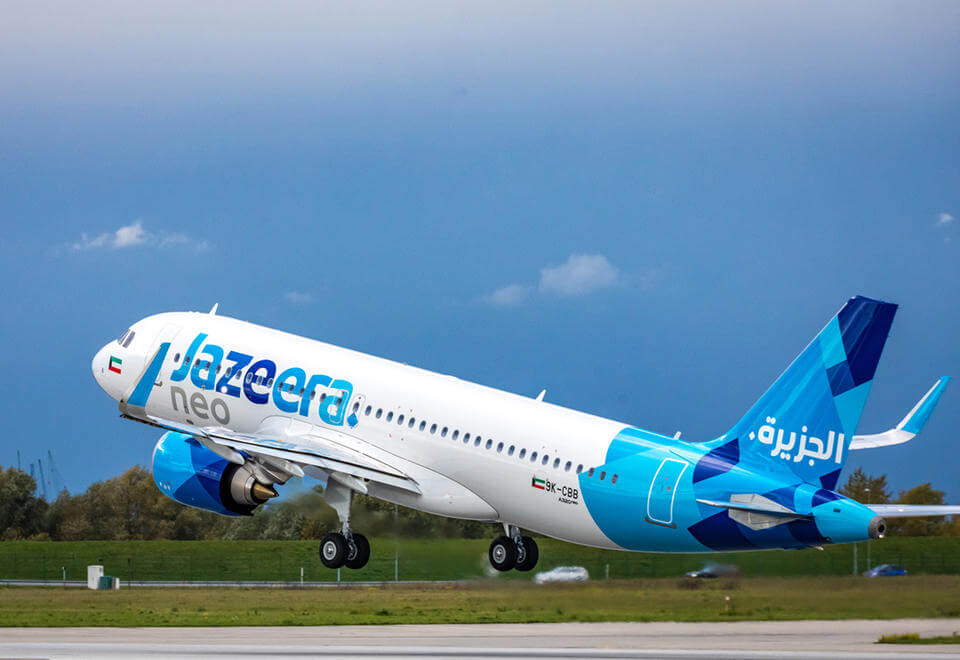
The development plans could have positive ripple effects for the local stock market. At an initial stage, the main beneficiaries of government spending are banks, contractors, cement producers and real estate companies. Beyond that, further opportunities can be identified for aviation, shipping/warehousing, materials and even consumer discretionary companies as the spending multiplier trickles down through the wider economy.
While Kuwait can call on significant financial buffers to navigate a protracted period of low oil prices, the government has also shown a firm commitment to pursuing a path of fiscal reform. These should give comfort to investors, especially international ones, that Kuwait is creating a more sustainable and business friendly environment that can rival other regional and global jurisdictions.
Reforms have been far-reaching, from the cutting of fuel subsidies to reining in a substantial public wage bill. In the medium-term, the government is also said to be considering a corporate tax at a flat 10 per cent as well as introducing Value Added Tax. To help bolster the country’s finances, Kuwait is also likely to tap international bond markets in the near future with a sovereign transaction rumoured to be worth as much as $10 billion.
Another encouraging sign in Kuwait has been the active role that the country’s new market regulator, Boursa Kuwait, has taken in recent times to help reinvigorate the exchange. Enhancing liquidity, improving the settlement of trades, and boosting market capitalisation are core pillars of a long term plan that Boursa Kuwait was tasked with when it was formed last April.