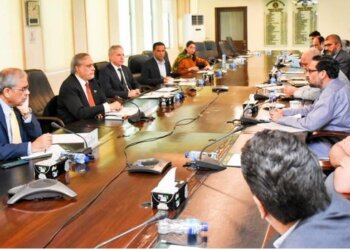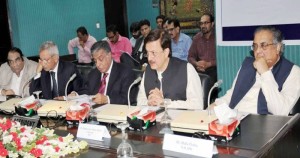
LAHORE: The Lahore Chamber of Commerce & Industry (LCCI), in collaboration with the Institute for Policy Reforms (IPR), has organised a seminar on “The Pros and Cons of Trade Relations with India.”
IPR Chairman and former commerce minister Humayun Akhtar Khan, LCCI President Ijaz A Mumtaz, IPR Adviser Dr Manzoor Ahmad and LCCI Standing Committee on Pak-India Trade Convener Aftab Ahmad Vohra also spoke there.
You might also like
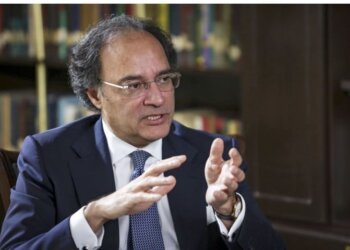
Speaking on the accession, Humayun Akhter Khan said that normal trade with India has been under discussion for many years. Rigorous assessment of cost and benefits is the only way to take a decision and to move this matter to closure, one way, or another. He said that this approach would also bring all stakeholders on common ground. He said that the fits and starts nature of the relationship finds reflection in conflicting trends.
He said that on the one hand, Pakistan does not have normal trade relations with India. On the other hand, Pakistan and India are members of the South Asian FreeTrade Area (SAFTA). This apparent incongruity reflects the reality of our bilateral relations. Decision on trade with India, therefore, must harmonize among security, economic, and trade interests.
LCCI President Ijaz A Mumtaz said that trade normalization between India and Pakistan is not as simple as it seems to be. He said that there are a number of factors that determine these bilateral trade relations.
“We are in favor of it but it has to be done very carefully. We do not fear to compete with India in a free trade regime but before opening borders, we must have a well thought out plan which is to be finalized in consultation with private sector” LCCI President said.
Dr Manzoor spoke largely in support of open trade. He listed the specific risks and benefits of trade with India. He said that developing economies that are globally integrated experience sustained growth. Over 60% of global trade takes place via the supply chains of MNCs who make their buying decisions in all parts of the world. He said that Pakistan’s trade policy results in loss in prosperity.