TRIPLOI: Libya’s official government, holed up in the east after being forced to flee the capital, is struggling to sell crude oil under a new system it has devised in an attempt to bypass a rival administration in Tripoli.
Buyers are reluctant to take advantage of discounts on offer because they are unsure who exactly owns the oil being marketed by the eastern government, even though it is internationally recognized following an election last year, oil officials and insiders say.


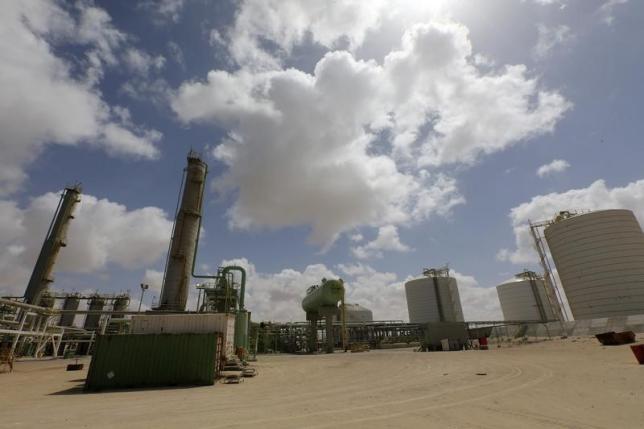
In the fighting that has rocked Libya since Muammar Gaddafi was ousted four years ago, control of many oil production and export facilities has frequently changed hands, leaving major buyers wary of doing business with anybody other than the established state oil corporation, the NOC.
Last week, Prime Minister Abdullah al-Thinni announced that in future oil sales would be routed though a Dubai bank account belonging to a new state oil company reporting to his government in the east.
Oil revenues are at the heart of the struggle between the two governments that has effectively split the country in two.
Foreign buyers had always paid through the NOC and the central bank in Tripoli. But the capital has been under the control of the rival government since an armed faction, Libya Dawn, expelled Thinni last year.But in the past few days, executives loyal to Thinni have begun contacting potential buyers, said Essa Essa, a Libyan oil analyst familiar with the talks.
Thinni’s government controls roughly half of Libya’s output of almost 600,000 barrels per day. But because of the risks they see in doing business with the east, prospective buyers have so far offered prices the government considers too low, said Essa.
One oil industry source said that while the eastern government had offered discounts, one potential buyer had been willing to pay only about a third of the $58 that oil is currently fetching on world markets.A senior official in the new eastern state oil company said it would be “very difficult” to persuade buyers to pay into the new bank account and prove to them the company owns the oil.
Thousands of documents, contracts and geological maps are stored in Tripoli at the NOC and its subsidiaries. The new eastern entity has been operating out of port and other administrative premises but has no dedicated buildings or staff yet, oil sources say.
“It will take a long time to change the payment system. It also needs expertise and specialists,” the senior eastern oil company official said, said asking not to be named due to the sensitivity of the issue.