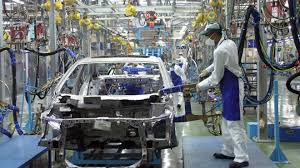
HANOI: Although Vietnam remains a country of motorbikes automobiles are becoming more common by the day. Car sales were up 31 per cent in the first five months of this year over the same period in 2015 which saw a 55 per cent year-on-year (YoY) increase to 245,000 units on top of a 35 percent YoY increase in 2014.
While taxes and tariffs have kept Vietnam car prices artificially high for years income for certain segments of the population has caught up with the cost of buying a car. Two new policies are about to come into effect that will lower this cost, while simultaneously helping and, at the same time, potentially hurting the Vietnam auto industry.


The first of these policies is the requirement for Vietnam to remove all tariffs on auto imports from Asean Community (AC) countries in 2018. This removal will open the door for cheaper imports from Thailand, Malaysia, and Indonesia posing problems for Vietnam’s auto industry, which is struggling to make a name for itself.
A weak supporting auto parts industry means Vietnam car manufacturers have to import parts and assemble them in the country. Although completely built units (CBUs) saw the fastest increase in sales of any type of car last year the figure has dipped this year due to a new special consumption tax that will rise again once the tariffs are done away with in 2018.
While looming Asean tariff cuts threaten to undermine the Vietnam auto industry a cut in the luxury tax rate which begins tomorrow, July 1, will in the meantime help Vietnam auto industry manufacturers.
Cars with engines of less than 1.5 litres are currently taxed at 45 per cent; this figure will fall to 40 per cent as of tomorrow and drop further to 35 per cent in 2018. For vehicles with an engine capacity of between 1.5-2.5 liters the rate will stay the same at 45-50 percent, while vehicles with larger engines will see the luxury tax rate increase from 50 to 55 per cent. For vehicles with engines above three liters the rate will increase to between 90 and 150 per cent.
This is a smart policy as continuing growth in consumer demand and incomes means it is now impossible to stop the growing popularity of cars in Vietnam. Urban streets are fast becoming choked with over-sized SUVs and luxury sedans. Giving consumers an incentive to buy smaller cars will hopefully persuade some to do so