KUALA LUMPUR: The Federal Government has spent RM17 million so far on advertising to educate the public on the GST which will be implemented on April 1 this year, according to the sources which quoted Finance Ministry tax division deputy under-secretary M. A. Sivanesan here the other day.
They also quoted Finance Ministry corporate strategy and communication division secretary S. Kumaran who said the government had been reaching over 50,000 people daily through its advertisements in the print and electronic media, as well as those placed on billboards and its postings on social networking sites like Facebook and Twitter.

Kumaran claimed that a survey carried out by his division last December, to evaluate public response to the GST advertisements in the mainstream media, found that 80 per cent of the respondents said the advertisements had a positive impact on them.
Three per cent reported “negative” effects and the remainder were “neutral”.
Support among social media users had picked up from an initial 10 per cent to 20 per cent and now stood at 40 per cent, he added. “It’s more challenging to win over social media users as they are heavily influenced by opposition political parties”.
Royal Malaysian Customs Department GST Director Subromaniam Tholasy expressed satisfaction with the public feedback to the government’s GST advertising campaign.
Kumaran said that from now until March 31, GST-related publicity would mainly consist of disseminating information on the availability of the Shopper’s Guide and clarifying issues that have cropped up as a result of the slowdown in the global economy.
The Shopper’s Guide, issued by the Domestic Trade, Co-operatives and Consumerism Ministry, contains a list of 944 goods and services in the basket of goods under the Consumer Price Index, and their prices before and after the GST is introduced.
The government would disseminate post-GST information to the public over a 18-month period, beginning April 1.
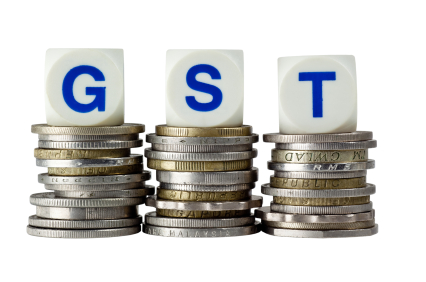
The 6 per cent GST, charged on the consumption of goods and services at every stage of the supply chain, will replace the existing 5-10 per cent Sales Tax and 6 per cent Service Tax (SST).