Customs Today
  • Home
  • Islamabad
  • Karachi
  • Lahore
  • National
  • Transfers and Postings
  • Chambers & Associations
  • Business
No Result
View All Result
Customs Today
  • Home
  • Islamabad
  • Karachi
  • Lahore
  • National
  • Transfers and Postings
  • Chambers & Associations
  • Business
No Result
View All Result
Customs Today
No Result
View All Result

Malaysian e-commerce will surpass 11% CAGR by 2020: Trade Minister

byCT Report
16/03/2017
in Uncategorized
Share on FacebookShare on Twitter

KUALA LUMPUR: The government is confident that e-commerce in Malaysia will be able to surpass the 11% compound annual growth rate (CAGR) by 2020, said International Trade and Industry Minister Datuk Seri Mustapa Mohamed.

“The prospects are huge. We will exceed 11%. I’m confident that it can happen because we’re getting our act together in the government and we’re working closely with the private sector,” he said after chairing the National eCommerce Council (NeCC) meeting yesterday.


You might also like

Pakistan’s rice exports reach 1.35 million tonnes as Basmati shipments rise 62%

23/11/2026

Sri Lanka invites Pakistani exporters to tap into $19b import market

23/11/2026

E-commerce in Malaysia is projected to grow at an 11% CAGR, driven by SMEs. About 50% of Malaysian SMEs are expected to embark on e-commerce by 2020, from 32% in 2016; while 15% of the value of e-commerce transactions is estimated to come from SMEs by 2020, from 6% now.

E-commerce in Malaysia is expected to grow to RM114 billion by 2020 or 6.4% of gross domestic product (GDP), from RM68 billion or 5.9% of GDP in 2015.

Mustapa said additional government intervention will drive higher contribution to GDP. “With all the measures in place, we’ll achieve a lot more.”

The National eCommerce Strategic Roadmap is expected to double e-commerce growth and enhance e-commerce GDP contribution up to RM211 billion by 2020, from the business-as-usual RM114 billion targeted for 2020.

As Malaysia plans for the launch of the Digital Free Trade Zone next week, Mustapa pointed out two challenges, which are on the supply side by SMEs and regulatory hurdles.

“Our SMEs need to produce quality products for competitive prices. There were incidences in the past where orders have been placed but some SMEs were unable to fulfil them, which means we need to enhance the competitiveness of our SMEs.

He said the way forward is to continue close collaboration and engagement with all stakeholders along the e-commerce value chain, with the NeCC driving the national e-commerce agenda.


Related Stories

Pakistan’s rice exports reach 1.35 million tonnes as Basmati shipments rise 62%

byCT Report
23/11/2026

ISLAMABAD: Pakistan's rice exports increased by 353,000 tonnes during the first four months of fiscal year 2026-27, reaching 1.351 million...

Sri Lanka invites Pakistani exporters to tap into $19b import market

byCT Report
23/11/2026

KARACHI: Sri Lankan Consul General in Karachi Sanjeewa Pattiwilla urged Pakistani exporters to expand their presence in Sri Lanka’s nearly...

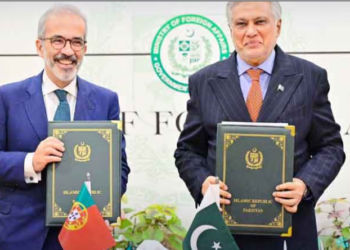
Pakistan, Portugal agree to establish joint trade, investment commission

byCT Report
23/11/2026

ISLAMABAD: Pakistan and Portugal have agreed to establish a Joint Ministerial Commission to strengthen trade, investment and economic cooperation, as...

Pakistan-Iran FTA expected to be finalised by March 2027, says Iranian official

byCT Report
23/11/2026

TEHRAN: Pakistan and Iran are moving closer to a comprehensive free trade agreement that could reduce customs costs and expand...

Next Post

Asian markets boosted by Fed but dollar sinks

  • Terms and Conditions
  • Disclaimer

© 2011 Customs Today -World's first newspaper on customs. Customs Today.

No Result
View All Result
  • Transfers and Postings
  • Latest News
  • Karachi
  • Islamabad
  • Lahore
  • National
  • Chambers & Associations
  • Business
  • About Us

© 2011 Customs Today -World's first newspaper on customs. Customs Today.