
Customs Today
  • Home
  • Islamabad
  • Karachi
  • Lahore
  • National
  • Transfers and Postings
  • Chambers & Associations
  • Business
No Result
View All Result
Customs Today
  • Home
  • Islamabad
  • Karachi
  • Lahore
  • National
  • Transfers and Postings
  • Chambers & Associations
  • Business
No Result
View All Result
Customs Today
No Result
View All Result
Home International Customs Thailand

Many in Thai fishing industry fail to see conditions as slavery

byCT Report
08/02/2018
in Thailand
Share on FacebookShare on Twitter

You might also like

Shippers see temporary lull in exports

05/02/2020

Private sector forecasts deeper export decline

03/02/2020

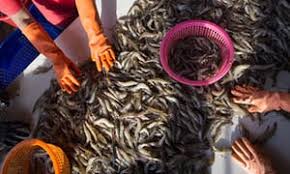
BANGKOK: Thai fishing boat owners who trap workers on board ships and withhold wages often do not realize that is modern slavery, so authorities must ramp up their policing efforts, advocates say. Research shows many fishing operators are oblivious that the grim conditions on board their ships amount to forced labor, according to a recent report. Many operators know smuggling people across borders and forcing them to work at sea for long periods of time is wrong but see withholding documents or forcing them to pay off debts as acceptable, said the report by Issara Institute, a Bangkok-based anti-trafficking organization. Thailand’s multibillion-dollar seafood sector has been the target of scrutiny in recent years following investigations that found slavery, trafficking and violence on fishing boats and in onshore processing facilities. Vessel owners exploit fishermen yet view themselves as benevolent patrons,” said the report, released last month, based on interviews with 75 Thai captains and large fishing boat owners. The findings show a need for stronger efforts to improve the working conditions and bring the fishing industry in line with anti-trafficking laws, advocates said. It’s all going to come down to enforcement,” Brad Adams, Asia director at Human Rights Watch, told the Thomson Reuters Foundation. The military government in Thailand has rolled out industry reforms since the European Union in 2015 threatened to ban its fish imports, but little has changed, Human Rights Watch said in a report also released last month. Shawn MacDonald, chief executive of Verite, a charity fighting labor injustices, said the Issara findings provide insight useful for crafting incentives against forced labor.
Related Stories

Shippers see temporary lull in exports

byadmin
05/02/2020

Shippers expect the coronavirus outbreak to have the greatest effect on farm product exports, notably fresh fruits and vegetables, with...

Private sector forecasts deeper export decline

byadmin
03/02/2020

The slowing world economy, widespread domestic drought and the deadly virus outbreak have prompted the private sector to lower the...

Bank cuts Thai 2020 GDP growth outlook to 2.7%

byadmin
30/01/2020

SCB’s Economic Intelligence Center (EIC) has released its latest forecast, indicating that the Thai economy at the end of 2020...

BOI steps up investment promotion measures in the EEC

byadmin
16/01/2020

BANGKOK: The Board of Investment of Thailand (BOI) has approved measures to promote investment in the Eastern Economic Corridor (EEC)...

Next Post

S. Korea's agro-food exports jump 14 pct in Jan

  • Terms and Conditions
  • Disclaimer

© 2011 Customs Today -World's first newspaper on customs. Customs Today.

No Result
View All Result
  • Transfers and Postings
  • Latest News
  • Karachi
  • Islamabad
  • Lahore
  • National
  • Chambers & Associations
  • Business
  • About Us

© 2011 Customs Today -World's first newspaper on customs. Customs Today.