PETALING JAYA: THE Malaysian Rubber Glove Manufacturers Association (Margma) is optimistic of achieving 11 per cent growth in exports to RM14.5 billion this year as global demand for medical gloves remains firm. Malaysia’s glove makers, which contribute to two-thirds of the world’s demand for medical gloves, are making a paradigm shift.
Since the government’s Economic Transformation Programme began in 2010, the rubber industry has undergone a structural change. The manufacture of medical gloves, Foley catheters and condoms is now seen as high technology and knowledge-based industry in meeting healthcare needs. More engineers, chemists and branding experts are being hired to automate the manufacturing processes, fine-tune product designs and market homegrown brands.

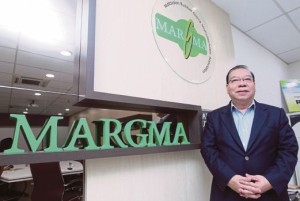
As glove makers become increasingly service-oriented and knowledge-driven, they are pricing their exports accordingly. “Glove prices are on the rise as we are passing on these cost increases in raw material, wages, fuel and product innovation to our clients,” said Margma president Denis Low Jau Foo. “This year, we are hopeful of rubber glove exports expanding 11 per cent to RM14.5 billion from last year’s RM13.1 billion.
In the first quarter of this year, we have shipped out RM3.2 billion worth of gloves,” he told Business Times in a recent interview here. “We expect the second and third quarters to be similar to the first, with a possible nine per cent escalation in the fourth quarter.” Margma represents 90 per cent of local glove manufacturers. Malaysia has been the world’s top supplier of rubber gloves for 18 years. Glove-making giants include Top Glove Corp Bhd, Hartalega Holdings Bhd, Supermax Corp Bhd and Kossan Rubber Industries Bhd, which export to more than 190 countries.
As the industry expands, glove manufacturers also need more foreign workers. “We need more hands to meet the expansion,” said Low. Currently, there are more than 48,000 foreign and local workers employed by Margma members. Low said an additional 16,000 skilled and semi-skilled foreign workers are needed. “We must continue to grow as the global demand for medical gloves is stable and strong. Glove usage increases on rising hygiene awareness in emerging markets, especially in China, India and Latin America.
“In the past, we needed about 15 workers to produce one million gloves. With progressive automation, we now can bring it down to four workers per one million gloves. Eventually, we want to reduce the headcount to 2.5,” he said. Effective March 18, the levy for manufacturing and construction workers (category 1) amounts to RM1,850 per worker a year while for plantation and agriculture workers (category 2), the levy is RM640. Effective July 1, the monthly minimum wage will also increase to RM1,000 from RM900 in Peninsular Malaysia and to RM920 from RM800 in Sabah, Sarawak and Labuan. Low said Margma members are making adjustments to their glove prices. “We believe some manufacturers have already factored in the higher levy and minimum wages into their pricing. If not, they will surely do so now.
We will continue to focus on productivity at our factories. “Current production lines are capable of churning out 38,000 to 45,000 pieces per hour compared with old lines in the 1980s that produced 8,000 to 10,000 pieces per hour.” Under the 2016 Budget, the government has reinstated the reinvestment allowance for manufacturers, with up to 60 per cent of the allowed capital expenditure in years 2016, 2017 and 2018. “We are very grateful for the government’s support. We hope the government will consider extending this tax incentive beyond 2018. “Glove makers are ploughing back profits into expanding and automating. Tax breaks will go a long way in helping our members to better innovate. Essentially, any expansion under the reinvestment allowance scheme is also a revenue churner for the government,” added Low.