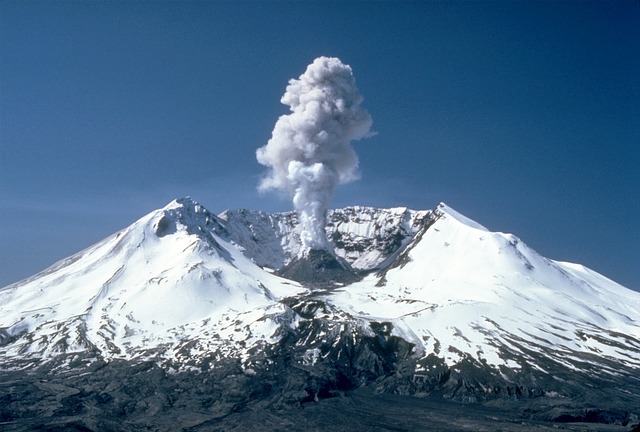


LONDON: Massive volcanic eruptions might eject more of an atmosphere-cooling gas into Earth’s upper atmosphere than previously thought, potentially contributing to the recent slowdown in global warming, according to a new study.
Scientists believe theorized that explosion of Indonesia’s Mt. Tambora in 1815, for example, probably caused a severe cold spell in 1816 which became known as “Eighteen hundred and froze-to-death,” or “the year without a summer.”
But now, a newly-published study by Massachusetts Institute of Technology scientists reveals that relatively small volcanic eruptions may be mitigating the increases in output of greenhouse gases and slow the rate of global warming by as much as half. In fact, the effect of such volcanic activity may help to explain why the pace of warming has decreased in recent years and fallen short of matching the level predicted by the amount of carbon going into the atmosphere.

Karachi Port sets 138-year cargo handling record
KARACHI: Pakistan's maritime sector has achieved a major milestone as Karachi Port set a new record in its 138-year history...