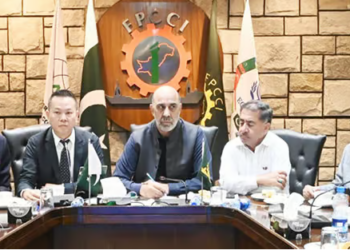
MULTAN: Multan Chambers of Commerce and Industry (MCCI) shed light on prevalent malpractices within Pakistan Customs, urging comprehensive reforms to rectify the situation and foster a conducive environment for business and trade in the country.
In an official statement, MCCI President Mian Rashid Iqbal voiced the collective concerns of Pakistan’s business, industry, and trade community regarding the preventive and anti-smuggling functions of Pakistan Customs. Emphasizing the need for substantial improvements, Iqbal underscored that reducing human intervention in anti-smuggling operations could significantly mitigate issues currently plaguing the system.


Senior Vice President of MCCI, Sheikh Nadeem, further elaborated on these grievances, noting that customs personnel frequently subject consignments to unnecessary halts and inspections during transit, despite prior assessment and examination by the appraisement staff. Nadeem stressed the importance of conducting any additional inspections based on concrete intelligence, suggesting that such procedures should be overseen by a responsible officer of the Anti-Smuggling Organization (ASO) of no lower rank than an Assistant Collector.
Additionally, Nadeem called for a comprehensive review and updating of relevant laws and regulations governing customs operations, advocating for a clearer delineation of the roles and responsibilities of clearing agents. He assured that the MCCI’s committee on customs enforcement would extend full support to these reform initiatives from the platform of the apex trade body.
Addressing another pressing concern, Vice President Sheikh Nadeem highlighted the unjust inclusion of clearing agents in First Information Reports (FIRs) filed by customs authorities alongside importers. Nadeem clarified that the responsibilities of clearing agents are strictly limited to filing Goods Declarations (GDs) based on import documents provided by importers, absolving them of liability for any violations committed by importers.
Khawaja Muhammad Usman, Convener of MCCI’s Central Standing Committee on Customs Enforcement, criticized the financial burden imposed on importers when goods are unduly detained and subsequently cleared. Usman emphasized the need for customs officials responsible for such errors to be held accountable for any resultant additional costs incurred by importers.
In summary, MCCI’s stance underscores the urgent need for reforms within Pakistan Customs, advocating for reduced human intervention in anti-smuggling activities, clearer delineation of roles for clearing agents, and accountability mechanisms for customs officials. The organization stands poised to support and facilitate efforts aimed at enhancing the efficiency and fairness of customs operations across Pakistan.