ISLAMABAD: Ministry of Information Technology and Telecommunication encouraging future of e-commerce in the country through accelerating the growth of the underserved and un-served “artisans, sellers, suppliers to boost economy of the country.
The Universal Service Fund (USF) wants to reach the 20 million artisans in Pakistan who are not digitally enabled by providing them the right tools and giving them the right resources.


Through this project artisanal craft will strengthen, ultimately preserving the culture, creating cohesion, digitally enabling the artisans and increasing the GDP of Pakistan and will be important step towards Financial Inclusion.
To boost demand for broadband services and their utility for the economy, the USF Board also approved the implementation of a project for creating an e-commerce portal for the empowerment of artisans across Pakistan.
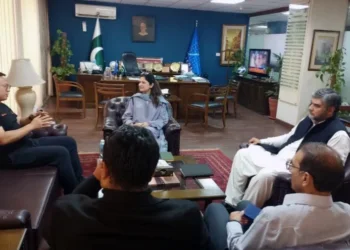
Minister for Information Technology and Telecommunication Anusha Rehman in a recent meeting said, This Project has great significance considering that it is the first ever lot of Federally Administered Tribal Areas; encompassing Khyber Agency, FR Kohat, FR Peshawar, Kohat, Karak and Hangu.
This Project benefits an un-served population of about 1.7 million, covering 503 unserved Mauzas and an unserved area of 8,434 sq kms at a subsidy value of Rs. 1.9 billion, she added.
She said, the initial categories of SMEs and artisans selected for e-commerce include leather, furniture, carpets and apparel. Information Technology (IT) Ministry also plans to launch a platform owned by the Government to enable and promote the cottage industry through e-commerce.
Pakistan, although a late entrant to the world of e-commerce, has recently recorded a massive rise in online shopping trends and other e-commerce businesses.
Such exponential growth trends over the past few years – with US$30 million being spent on online purchases currently – depict a highly positive picture for the future and the size of Pakistan’s e-commerce market is expected to reach over US$600 million by 2017.