Customs Today
  • Home
  • Islamabad
  • Karachi
  • Lahore
  • National
  • Transfers and Postings
  • Chambers & Associations
  • Business
No Result
View All Result
Customs Today
  • Home
  • Islamabad
  • Karachi
  • Lahore
  • National
  • Transfers and Postings
  • Chambers & Associations
  • Business
No Result
View All Result
Customs Today
No Result
View All Result
Home Latest News

More Chinese ports restrict hazardous cargo after Tianjin explosions

byCustoms Today Report
14/09/2015
in Latest News
Share on FacebookShare on Twitter

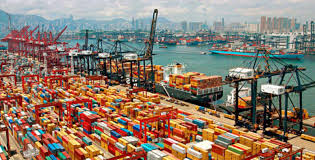
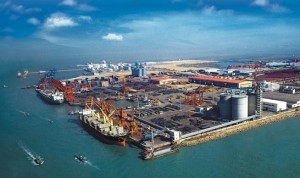
BEIJING: More Chinese ports have followed in the footsteps of the Port of Tianjin to restrict the movement of hazardous chemical cargoes at their facilities, disrupting global supply chains and the manufacturers that depend on the inputs.

The ports of Qingdao, Lianyungang, Ningbo, and Xiamen have tightened hazardous cargo regulations or outright forbid the potentially dangerous cargo at their facilities. Qingdao, Ningbo, and Xiamen are among the top 10 of Chinese ports exporting hazardous goods to the U.S., sitting at the No. 2, No. 7, and No. 8 spots, respectively.


You might also like

Mobile manufacturers warn of IMEI cloning, oppose used phone imports

27/04/2026

Textile exporters warn of factory closures as costs surge, refunds delayed

27/04/2026

At the port of Qingdao, all class 4.1 (except sulfur), class 3/UN 2058, class 5.1/UN2465, and class 5.1/UN2468 cargoes are not allowed for storage including import and transshipment. The company said it will provide direct delivery if possible.

Qingdao handled 13.4 percent of all hazardous cargo sent to the U.S. in the first half of 2015 and received 7.4 percent of all hazardous cargo exported from the U.S. to China, according to PIERS a sister product of JOC.com within IHS.

At the port of Ningbo, a Material Safety Data Sheet, which provides guidance on how to handle or respond to an issue with dangerous goods, is now required on all such cargoes transshipped via the port. Ningbo handled 13.8 percent of hazardous cargo bound for the U.S. in the first half and received 4.4 of all hazardous goods sent from the U.S. to China.

In Xiamen, the Xiamen Ocean Gate Container Terminal, which handled 3.6 percent of all hazardous goods bound for the U.S. and imported 3.4 percent of all hazardous goods sent from the U.S. to China, has stopped accepting all dangerous cargoes whether for export or import.

The port of Lianyungang has stopped accepting Class 1 and Class 2 dangerous cargoes including export and import. Following explosions that left 114 people dead and hundreds injured, the port of Tianjin was the first Chinese port to totally ban the movement of hazardous goods.


Related Stories

Mobile manufacturers warn of IMEI cloning, oppose used phone imports

byCT Report
27/04/2026

ISLAMABAD: The Pakistan Mobile Phone Manufacturers Association (PMPMA) has raised concerns over the sale of smuggled, stolen and counterfeit mobile...

Textile exporters warn of factory closures as costs surge, refunds delayed

byCT Report
27/04/2026

ISLAMABAD: The textile export industry has raised concerns over rising costs and policy constraints, warning that current conditions could lead...

FBR reforms to eliminate tax evasion, non-filers

byCT Report
27/04/2026

FAISALABAD: The Federal Board of Revenue (FBR) is undertaking extensive reforms and structural changes aimed at completely eliminating tax evasion...

DG Valuation raises customs value on imported used iPhones

byCT Report
27/04/2026

KARACHI: Pakistan Customs has notified revised enhanced customs values for imported old and used Apple iPhones, a move that is...

Next Post

Port of Hamburg shows Germany vulnerable on trade

  • Terms and Conditions
  • Disclaimer

© 2011 Customs Today -World's first newspaper on customs. Customs Today.

No Result
View All Result
  • Transfers and Postings
  • Latest News
  • Karachi
  • Islamabad
  • Lahore
  • National
  • Chambers & Associations
  • Business
  • About Us

© 2011 Customs Today -World's first newspaper on customs. Customs Today.