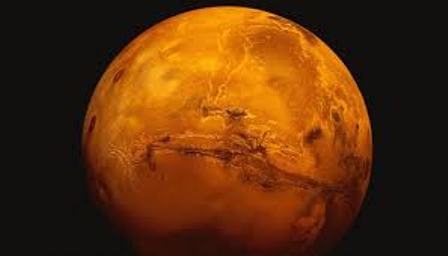


HONG KONG: NASA laid outs its most detailed technology pathway yet to eventually land humans on Mars, including plans for a deep-space platform dedicated to testing equipment while protecting astronauts through years of preparation.
In addition to such extensive preliminary efforts, the 36-page report envisions reusable supplies to feed and otherwise sustain crews. It predicts modular spacecraft intended to remain dormant for much of a decade. And it foresees mobile fuel depots—or alternate propulsion sources provided by minerals extracted from planets or asteroids—scattered around the solar system.
Ultimately, scientists at the National Aeronautics and Space Administration anticipate Mars landers that will be at least 30 times heavier than the robotic spacecraft that have touched down on the Red Planet so far; and communications links to Earth would need to be hundreds of times faster.

Karachi Port sets 138-year cargo handling record
KARACHI: Pakistan's maritime sector has achieved a major milestone as Karachi Port set a new record in its 138-year history...