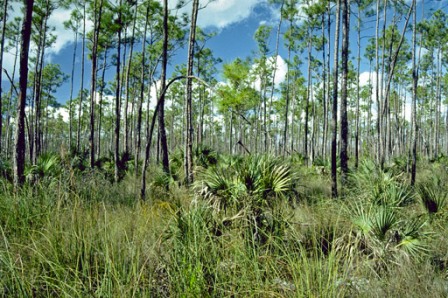


HONG KONG: There are almost 60 species of plant in Everglades National Park that are critically endangered thanks to the effects of poaching and climate change, according to a new research study.
It’s been 25 years since the last major plant study was undertaken in the Florida wetlands that took a long, hard look at the 760-odd different plant species that inhabit the region. The periodic studies are meant to serve as a “blueprint” for the park according to Jimi Sadle, a botanist for the park, who said that conservators now have a good snapshot of the state of the park. Sadly, between poaching and now climate change-triggered sea level increases, the outlook has not been a particularly promising one.
In fact, according to the Institute for Regional Conservation’s chief conservation strategist George Gann, the new study just reiterates earlier research findings that indicate one out of every four plants native to the state of Florida is either endangered or has gone extinct. The researcher hopes that the new research will lead to more protections for those plants that are critically endangered; at the moment there’s only one rare plant in the park that has protections under the Endangered Species List.
Even if the new study doesn’t encourage the Powers That Be to change the plants have official endangered designations, it should still provide park managers better information when it comes to preserving at-risk plant populations. This is because Gann saw fit to identify habitats during his research instead of just counting rare plants like in previous surveys. The conservationist said that emergent patterns can highlight where the problem areas are in the park on a geographical level, allowing managers to focus their efforts on habitat problem spots.

Karachi Port sets 138-year cargo handling record
KARACHI: Pakistan's maritime sector has achieved a major milestone as Karachi Port set a new record in its 138-year history...