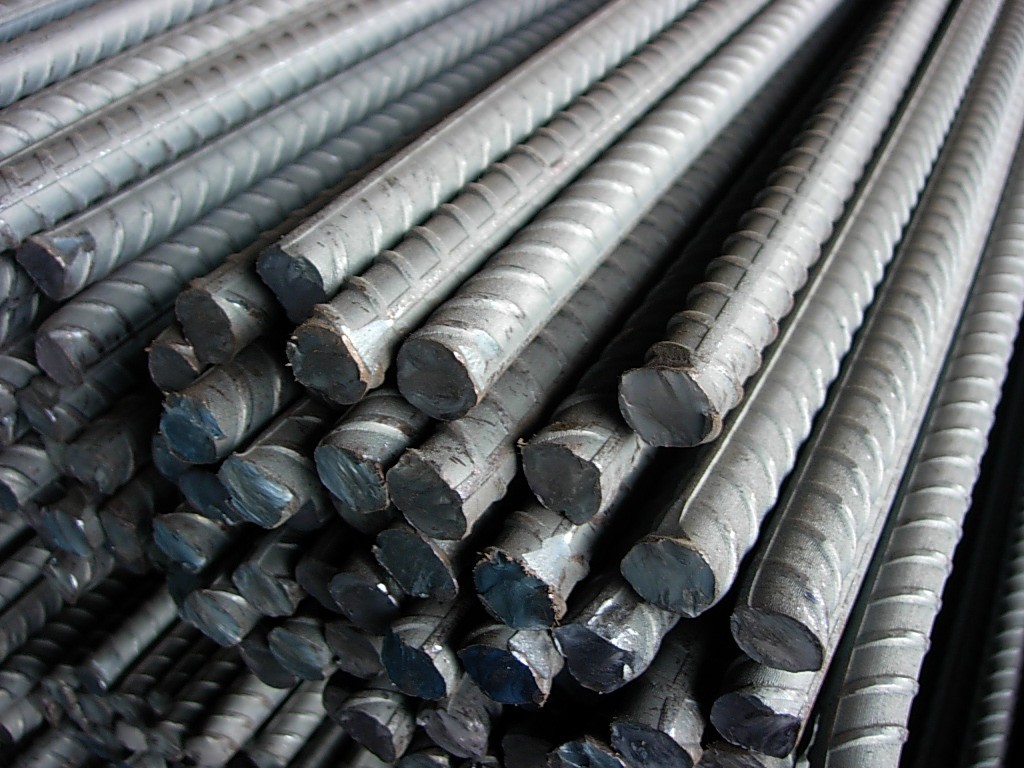
KATHMANDU: Nepal’s imports of mild steel rods, wires, coils and other construction materials have jumped 91.33 percent as domestic production falls behind demand, Nepal Rastra Bank (NRB) said. According to the central bank, the import bill as of mid-April totalled Rs5.82 billion, up from Rs3.04 billion year-on-year.
Demand for these construction materials have swelled in the country due to the need for massive reconstruction following the earthquake last year. Meanwhile, domestic factories have been struggling to operate amid severe power shortages, besides taking a direct hit from the economic blockade by India that lasted four and a half agonizing months.


Major manufacturers of steel construction rods based in the Birgunj Economic Zone have reported a sharp drop in output due to a rise in load-shedding because the hydroelectric plants damaged by the earthquake have not come back online. According to the factory owners, frequent power outages, the April 25 earthquake and subsequent trade embargo have resulted in a drop in production by up to 50 percent.
“Falling domestic production has led to an increase in imports of low quality and cheaper rods,” said Dhrubha Kumar Shrestha, chairman of the Nepal Steel Rolling Mill Association. “There are 16 steel mills in operation, and most of them have reported a 50 percent decline in total production. Panchakanya Steel, one of the leading iron and steel manufacturers in the country, has also reported a fall in output.
“We are seeing a drop of 40 percent in total production this year because of severe power cuts and unavailability of raw materials,” said Bishwa Jay Pudasaini, senior manager of sales at Panchakanya Steel. “The raw materials ordered after the trade embargo have not arrived yet, and frequent power cuts have resulted in lost sales during the peak construction season.” According to Pudasaini, demand for construction material usually increases after April, and due to a forced cutback in production, major domestic iron and steel rolling mills have been unable to fulfil the requirement. This has resulted in increased imports of low quality and cheaper metal rods.
“Many traders have been tapping this business opportunity by importing substandard 11 mm steel rods and selling them at the price as high quality rods. The government should step up its efforts to curb such practices.” said Pudasaini. Meanwhile, lack of trucks and loading and unloading equipment has hindered the transportation of raw materials imported by iron factories. Around 75,000 tonnes of hot rolled sheets, cold rolled sheets, mild steel wires and sponge iron lie piled up at Sirsiya Dry Port.
According to Ram Babu Shah, head of administration at Himalayan Terminal, the operator of the dry port, the raw materials lying abandoned have been imported by Jagdamba Steel, Jagdamba Enterprises, Hama Steel, Himal Iron and other factories. There are seven cranes for unloading freight, but they are not enough, said Shah. “Large amounts of raw materials are lying at the dry port yard, and the importers have not submitted the required paperwork to the customs office,” said Harihar Poudel, chief of the customs office at Sirsiya Dry Port. “We will not know the quantity of the unmoved raw materials until they acquire customs clearance.”