HONG KONG: A new ruse by drug couriers to smuggle cocaine into Hong Kong from South America has prompted customs officials to take the unprecedented step of establishing co-operation and intelligence links with their Middle East counterparts.
After a 160 per cent rise in cocaine seizures in the city last year, local officials will also boost intelligence exchanges with their counterparts from the South American drug source countries during the International Drug Enforcement Conference in Lima, Peru, later this month.


Over the past few months, Hong Kong customs had noticed a trend in which “second-leg” drug mules were recruited to pick up cocaine from South American cocaine swallowers in the Middle East before flying into the city.
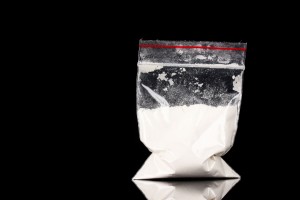
Such handovers of drugs are understood to have taken place in airport hotels in cities like Dubai. Pellets of cocaine are discharged in a hotel room and then concealed in boxes of chocolates, candies or biscuits.
Trafficking syndicates then arrange the second-leg couriers, recruited from Africa, Europe and Asia, to smuggle the drugs into destinations such as Hong Kong and Macau. Each second-leg courier is paid between US$2,000 and US$3,000, according to a source with knowledge of the investigation.
“The sleight aimed to divert the attention of the law enforcement officers at the destinations as the second-leg couriers were not travelling from the South American cocaine source countries,” said a spokesman for the Customs and Excise Department.
He said the method of discharging the drugs at a transit point also reduced the risk to the carrier and lowered the risk of unintended discharges on the journey.
From late December to March, 11 cases involving the new modus operandi had been detected at Hong Kong International Airport with the arrest of 12 people and seizure of 30kg of cocaine with an estimated street value of HK$33 million.
A small portion of the drug was for local consumption while most would be destined for neighbouring cities, according to the department.
“To tackle the recent cocaine smuggling trend, the Customs and Excise Department is planning a duty visit to the Middle East in the coming months to have face-to-face liaison with the relevant law enforcement agencies and to establish direct contact point to effective further co-operation,” the spokesman said.
“This will help us obtain up-to-date intelligence on smuggling trends and trafficking routes so that we can take appropriate action.”
Asylum seeker arrested with cocaine worth HK$1.4m ‘destined for Hong Kong party district Lan Kwai Fong’
Hong Kong Customs said it had been actively joining forces with the international enforcement community to fight drug trafficking.
“The sphere of co-operation ranges from intelligence exchange, joint operations to expertise and strategy sharing via different international platforms,” the spokesman said.
Figures from the department show cocaine seizures rose by 116 per cent to nearly 93kg in the first three months of this year compared with 43.1kg in the same period last year. The department attributed this to the seizure of 48kg of cocaine from a shipping container that arrived from Panama in January.
Police and customs officers seized 341kg of cocaine last year, a 162 per cent rise from 130kg in 2014.
Figures from the department show seizure of cannabis rose by 207 per cent to 41.9kg in the first three months of this year compared to 13.7kg in the same period last year.