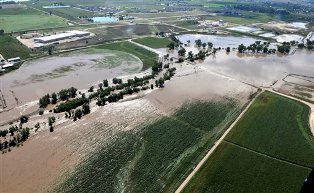


HONG KONG: New research shows floods like the one that ransacked northern Colorado two years ago, killing 10 people, might be more common than previously thought — and that could require more homeowners to get flood insurance and trigger more stringent construction rules.
The September 2013 flood caused $3 billion in damage to neighborhoods, highways, farms and oilfields. Nearly 2,000 homes were damaged or destroyed, many in small mountain towns.
Early, rough estimates of the flood indicated it was a 1-in-500 event, meaning the chances of such a deluge in any one year are 1 in 500.
But recently completed studies of the Big Thompson River, St. Vrain Creek and other hard-hit waterways show it was mostly a 1-in-100 event, said Kevin Houck, chief of watershed and flood protection for the Colorado Water Conservation Board.
If a 1-in-100 flood can cause that much havoc, then homes, roads and other infrastructure are more vulnerable than previously believed, he said.
“That’s kind of an alarming realization,” Houck said.
A 1-in-100 flood is sometimes called a 100-year flood, but experts say that’s a misnomer. The ratio refers to the chances of such a flood occurring in any single year, based on historical data. A 1-in-100 flood could happen more than once a century.
The Federal Emergency Management Agency is reviewing the new Colorado data and will likely use it to revise its maps designating flood plains — areas that are most prone to flooding, said Ryan Pietramali, FEMA’s regional chief of risk analysis.
The maps are important because anyone who has a federally insured mortgage and who lives in a FEMA-designated 1-in-100 flood plain must buy federal flood insurance. If the new maps show a bigger flood plain, more people would have to buy coverage, which averages about $1,300 a year for homes in high-risk areas.

Karachi Port sets 138-year cargo handling record
KARACHI: Pakistan's maritime sector has achieved a major milestone as Karachi Port set a new record in its 138-year history...