Customs Today
  • Home
  • Islamabad
  • Karachi
  • Lahore
  • National
  • Transfers and Postings
  • Chambers & Associations
  • Business
No Result
View All Result
Customs Today
  • Home
  • Islamabad
  • Karachi
  • Lahore
  • National
  • Transfers and Postings
  • Chambers & Associations
  • Business
No Result
View All Result
Customs Today
No Result
View All Result
Home International Customs Nigeria

Nigeria aims to boost wheat production, cut imports

byCustoms Today Report
27/08/2015
in Nigeria
Share on FacebookShare on Twitter

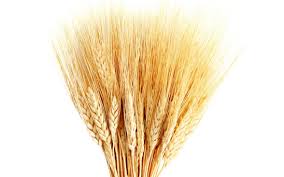
MAIDUGURI: Nigeria plans to boost its wheat output and cut imports by half by 2017 as farmers ramp up production of two new strains that thrive well in warmer climates, according to the country’s Lake Chad Research Institute as reported by Bloomberg News.

Two wheat varieties released to farmers since 2014 can produce from 3.5 tonnes to 6.5 tonnes per hectare (2.471 acres) and could grow with rain water or irrigation, Oluwasina Olabanji, executive director of the institute based in the Nigerian northeastern city of Maiduguri, said in an e-mailed response to questions on Aug. 24. Previous strains had maximum output per hectare of 4 tonnes for irrigated farms and 2.5 tonnes per hectare for those using rain water.


You might also like

Singapore, Nigeria trade volume hits N846b

04/08/2017

Nigeria imports goods worth N6.7trn in 2015

17/07/2017

“I hope that by 2017 our production will hit 1.5 million tonnes and reduce importation by 50%,” said Olabanji. “This is our target and it is achievable. Annual wheat production should grow at 20% from 2017.”

Africa’s biggest economy and most populous country of about 180 million people imported 3.8 million tonnes of wheat in the 2013-14, most of it from the U.S., with demand projected to increase in 2014-15, according to the U.S. Department of Agriculture.

Though wheat is a temperate crop, the rain-fed variety grows in highland areas of the West African country, such as Mambilla and Obudu to the east, and Jos Plateau in the center. The crop also thrives with irrigated farming in most of northern Nigeria from mid-November to mid-March, when temperatures are from 15 to 25 degrees Celsius (59 to 77 degrees Fahrenheit), according to the Lake Chad Institute.

The institute plans to release two new varieties of wheat with better yields by 2017, said Olabanji. These include an irrigated strain with potential yields of 7 to 8 tonnes per hectare and a rain-fed type that could yield 5 to 6 tonnes per hectare, he said.

Set up in 1975, the research institute has responsibility for the genetic improvement of grains such as wheat, barley and millet.


Tags: cut importsNigeria aims to boost wheat production

Related Stories

Singapore, Nigeria trade volume hits N846b

byCT Report
04/08/2017

SINGAPORE: The trade volume between Nigeria and Singapore reached N846bn from 2011 to 2015, while the absolute balance of trade...

Nigeria imports goods worth N6.7trn in 2015

byCT Report
17/07/2017

KANO: Nigeria expended more than N6.7 trillion in 2015 on the importation of goods that the country can produce locally,...

Nigeria: Customs generates N239b in Q1

byCT Report
29/06/2017

ABUJA: The Nigerian Custom Service (NCS) has generated N239.4 billion in the first quarter of 2017, exceeding its target of...

UK, Nigerian firms seal franchise deal on toy business

byCT Report
15/02/2017

LONDON: World’s famous British toy shop, Hamleys, has officially announced the signing of the development agreement for the Hamleys franchise...

Next Post

Canada: GM to boost production of crossovers to extend life of Oshawa plant

  • Terms and Conditions
  • Disclaimer

© 2011 Customs Today -World's first newspaper on customs. Customs Today.

No Result
View All Result
  • Transfers and Postings
  • Latest News
  • Karachi
  • Islamabad
  • Lahore
  • National
  • Chambers & Associations
  • Business
  • About Us

© 2011 Customs Today -World's first newspaper on customs. Customs Today.