
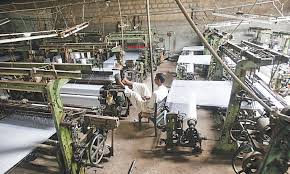
LAGOS: The government is considering another intervention fund for the country’s cotton, textile and garment industry, the Bank Of Industry (BOI) said last week that the industry was facing life threatening challenges that are making previous intervention efforts for the sector not to yield positive results.
The Federal Government had five years ago disbursed N60 billion of the N100 billion loan facilities to 71 companies through the bank, after it was realised that insecurity in Northern Nigeria, and faking of Nigerian products abroad and branded as made in Nigeria were some of the challenges confronting the industry.


The Group Head of Agro Processing Department of the Bank, Mrs. Lolo Kadafa said the interest rate for the companies that benefited from the government’s intervention fund had been slashed, from six per cent to four per cent.
She said the maturity period for the loans, under the fund was also increased to between 20 and 22 years, depending on the original loan agreement, adding that the adjustment in the period of repayment would make the affected companies to consolidate their operations.
Kadafa who looked through the value chain in the sector, said the Ginners have not been able to operate because of insecurity in the North, and so have not been able to produce enough cotton to feed the local textile factories, which hitherto have no standard measuring equipment to process their product for export.
“Apart from the inputs, you need appropriate seed to give you the right yield. You also need security, farmers are being killed every day in the North, and 75 per cent of the Ginners are located in the North where there is insecurity.
So they don’t have enough cotton, the raw material for the textile companies. There is no standardized measuring instrument and that alone is affecting the quality of cotton for export.
Foreign buyers see cotton Nigeria as having low quality and value. We call on the government to set up testing laboratory for them so that their prices can beat per with foreign cotton products,” she said. Giving further reasons for the stunted growth of the Textile and Garment Industry, despite government’s intervention fund, Kadafa said unpatriotic nature of majority of Nigerians was a contributing factor.
“People are not patriotic and are not patronizing made in Nigeria textile products. The Nigerian Customs Service is guilty of this because they fail to check the influx of foreign textile materials.
There are 16 companies in China that are replicating Nigerian fabrics, which they ship into the Nigerian market at cheap prices. Many of the companies that benefitted from our loans have been able to increase their capacity utilization from 32 per cent to 58 per cent with the loan they received from the intervention fund.
We have reduced the interest payable on the loans by 71 for our customers, under GTG, to four per cent, from six per cent and repayment period increased from five years to between 20 and 22 years for them to consolidate their operations given the challenges already enumerated,” she said.
According to the bank, the government was already planning a second intervention fund for the sector, so as to address issues relating to smuggling, infrastructural deficiency and power supply.



