ABUJA: Nigeria’s central bank kept its key interest rate unchanged at a record high in the Monetary Policy Committee’s final meeting before the March 28 elections.
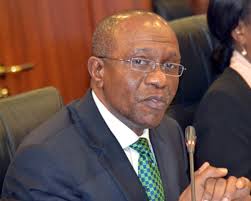
The MPC left the policy rate at 13 percent, Governor Godwin Emefiele told reporters in the capital, Abuja.


Nigeria, Africa’s biggest oil producer, is struggling to deal with a 50 percent drop in the price of crude since June, sales of which bring in more than two-thirds of government revenue. Policy makers raised the interest rate by 1 percentage point on Nov. 25, the first increase in three years, and devalued the naira as foreign-currency reserves slumped.
“The committee expressed concern about the outlook for growth, which has moderated partly due to the effects of low oil prices, naira exchange-rate depreciation and election-related concerns,” Emefiele said. The bank is also concerned about accelerating inflation, he said.
Business sentiment is expected to rise and the economic situation will probably improve once the election is over, he said.
The central bank introduced a new trading system on Feb. 13, in which banks can buy dollars in the interbank market only when they have matching orders from customers who need foreign exchange for imports. Five days later, the regulator abandoned weekly foreign-exchange auctions, effectively devaluing the naira for the second time in three months, helping to stabilize the currency.
“The committee observed that its previous decisions needed time for their effects to fully permeate the economy,” Emefiele said.
“The current monetary policy stance is considered to be sufficiently tight and this will continue,” Razia Khan, head of Africa economic research at Standard Chartered Plc in London, said in e-mailed comments.
The policy rate “is likely to remain at its current level for some time,” she said. “Nigeria’s changed economic circumstances may reignite the debate over what foreign exchange policy best suits the needs of the economy.”