LAGOS: Sachets of freshly packaged tomato paste roll off the conveyor belts at the Vital Products factory in Lagos 24 hours a day.
But those belts will soon grind to a halt, according to factory owner Sanjeev Kapoor, who says a new policy effectively restricting the import of goods including tomato concentrate means he will run out of raw materials in less than two months.
“I will have to shut the factory when my concentrate runs out and put 440 people out of a job,” says Mr Kapoor. The local vendors who supply him with cartons, labels, salt and chemicals will also lose out.
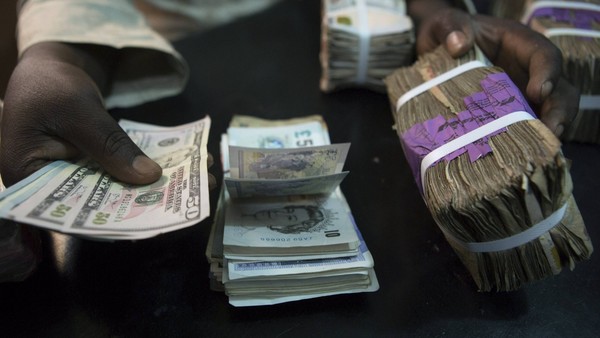
As part of a plan to conserve dwindling foreign exchange reserves, Nigeria’s central bank in June began denying the use of foreign exchange from the local market for importers seeking to purchase certain goods, including “raw materials” such as tomato concentrate and glass.
As well as helping sustain foreign reserves that have dropped to $30.1bn, the central bank hoped the policy would force manufacturers to develop a local supply chain.
But Mr Kapoor says a move aimed at easing the impact of lower oil prices on Africa’s largest crude exporter has instead delivered a devastating blow to manufacturers.
At Reagan Cement in the eastern city of Calabar, chief executive Reagan Ufomba is preparing to lay off his 140 factory workers because he too has no way to continue production.
The company processes and bags cement imported primarily from Turkey. Cement is another of the raw materials on the list.
“Nigeria is under pressure, but you cannot shut all the doors and windows,” Mr Ufomba says.
Frank Jacobs, president of the Manufacturers Association of Nigeria, which represents about 2,000 companies, says conditions are tough for a sector that accounts for 10 per cent of Nigeria’s GDP and approximately 12 per cent of employment in the formal sector.
The sector has been in recession for the past two quarters, and economists predict third-quarter figures will show further decline.
“The central bank is really biting hard on our members . . . with respect to the restriction of access to foreign exchange for importing our raw materials,” he says.
Manufacturers in Nigeria have never had it easy. Mr Jacobs says the sector has suffered from “poor infrastructure, multiple taxation and deposit banks that do not give out long-term loans and are not really manufacturer-friendly”.
Dapo Olagunju, treasurer at Access Bank, one of Nigeria’s largest lenders, says while there is “no money to support the current level of imports”, a lack of infrastructure also makes it hard to rely on local raw materials.
Speaking to the FT last month, Yemi Osinbajo, Nigeria’s vice-president, said the administration of Muhammadu Buhari, who was elected president in May, sees the need to improve infrastructure through “massive investment”.
These efforts will be financed through a fund established using both state and private money, but developing this infrastructure could take many years.
For now, Mr Kapoor says, the only winners from the central bank’s policy are the smugglers who will offer the same products at higher costs to consumers.
“The tomato paste will come by dingy boat or truckload. One way or another the market will be fed. But it won’t be fed by us, the legitimate producers,” he says.

Singapore, Nigeria trade volume hits N846b
SINGAPORE: The trade volume between Nigeria and Singapore reached N846bn from 2011 to 2015, while the absolute balance of trade...