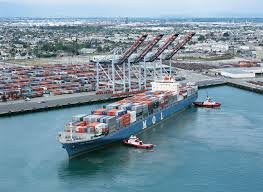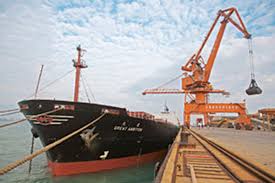
WASHINGTON: Ports outside the south-east have benefited from disruption at Dover, helping them to win a greater share of Britain’s growing container and vehicle trade.
Northern ports have been selling the benefits of avoiding the congested roads of the south-east and investing in infrastructure just as some hauliers sought alternatives to Dover, hit by the migrant crisis. The cross-channel route has been declared secure a month after the demolition of the “Jungle” refugee camp and freight traffic is growing again. But government figures for the first half of the year show a drop at Dover as traffic was displaced. Harwich and Felixstowe, the big south-east container ports, also lost traffic to London Gateway, which is expanding fast.
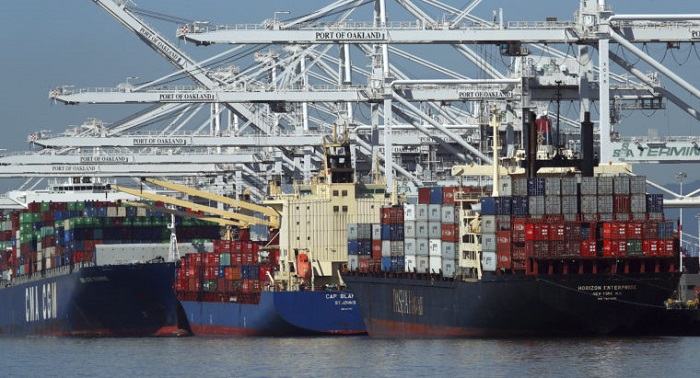

Grimsby and Immingham overtook Southampton to become the third busiest port for vehicles and containers, although the latter also grew. The provisional figures include passenger vehicles, vehicle imports and exports, as well as the containers that can arrive by lorry or rail (known as Lolo and Ro-ro). Volumes nationally were 1 per cent higher in the three months to the end of June compared with the same period last year. But Grimsby and Immingham were up 5.5 per cent and Teesport 12 per cent. Liverpool grew almost 6 per cent and Bristol 23 per cent, mainly driven by car exports and imports. Dover fell 3.7 per cent but still has a fifth of the market. Felixstowe, which fell slightly, is second with 10.6 per cent while Grimsby and Immingham have 8.8 per cent.