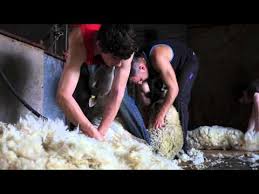
WELLINGTON: New Zealand, the world’s largest exporter of crossbred wool, is heading for its smallest annual wool clip in six years, reflecting the lowest sheep flock in more than 70 years, dry conditions and an increased focus on meat producing breeds of sheep.
New Zealand will probably produce 138,400 tonnes of greasy wool, or 833,700 wool bales, in the annual season that runs through June, down 5.4 per cent on the year earlier, according to farmer-owned industry organisation Beef + Lamb New Zealand. That would mark the lowest level since the 2008/09 season when the clip dropped to 132,400 tonnes as farmers eschewed a second shear in the face of low wool prices.


The national clip is likely to decline further in the upcoming season starting in July, falling to around 810,000 bales, according to Christchurch-based New Zealand Wool Services International, a unit of Australia’s Lempriere and the nation’s largest wool scourer and exporter.
New Zealand’s wool production has slumped in line with a reduction in the national sheep flock, which last year dipped below 30 million for the first time since 1943. Farmers in search of higher returns are converting their operations to dairy and switching to higher yielding meat breeds such as Finn and Texel and away from the traditional wool-focused Romney. Recent drought conditions have also dented the wool yield.
“Production is tracking the decline in sheep numbers and given that it has been a relatively dry season, you will be hitting quite historical lows,” said Rabobank commodity analyst Georgia Twomey. “It’s a by-product of pretty low returns for quite a long time.”
Globally, sheep numbers have remained relatively stable, declining just 6 per cent to 1.14 billion in the 23 years through 2013 as China’s flock rose 32 per cent while New Zealand’s dropped 47 per cent and Australia’s declined 57 per cent, according to the latest figures from the International Wool Textile Organisation.
However global wool production has slumped 42 per cent over the same period to 1.2 million tonnes of clean wool, reflecting the decline in the higher yielding flocks of New Zealand and Australia, the world’s two largest wool exporters.
The drop in wool volumes appears to be underpinning prices for the fibre, which had been losing ground to cheaper synthetic alternatives, according to NZ Wool Services.
“The outlook for wool has stabilised” with stock numbers coming back into balance with demand, said Malcolm Ching, a marketing executive at NZWSI in Christchurch.
Prices for most wool types the past season have tracked either in line with or above the previous season, with lamb wool hitting its highest level in four years.
“In previous seasons, everyone has moaned that the returns for wool don’t even cover the cost of harvesting and managing the aspects around wool, it was meat that has been holding sheep farmers up, but wool in the last two seasons has actually contributed to the positive bottom line for sheep farmers,” Ching said. “There is less of it around and there seems to be a stabilising in clients’ offshore usage of wool.”
A growing middle class in China is helping underpin demand and prices as the nation becomes a consumer of higher-value products like wool rather than just a manufacturer and re-exporter, he said.
Ching expects New Zealand’s future wool production will be driven more by local farm management decisions than offshore demand, as more farms have been converted to dairy production.
“There used to be a gypsy affect for sheep around the country, that if one area was experiencing drought, they could often shift their sheep to an area that had lots of grass to get through the drought and then bring them back,” he said.
“That ability in many cases has now disappeared so farmers in dry land areas in particular can only farm with stock levels that they can sustain themselves and if they get above that and strike adverse conditions the excess stock has to go to slaughter.”