LONDON: The export oat market will continue to grow as demand for Australian hay from China increases and new markets develop in the Middle East and south-east Asia. Speaking at the Australian Fodder Industry Association in Perth last week Balco Hay director Murray Smith said while Japan was still an important market for Australia hay, there were new opportunities opening up.
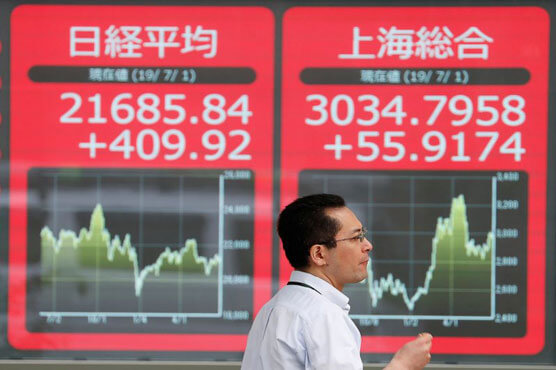
“While the dairy industry in Japan has had its moments with a steady increase in cows by 1-2 per cent, a decrease in dairy farms by 3-4pc and a decrease in profitability per cow has led to the need for an efficient and larger scale businesses, the Japanese market remains a very important one for Australia,” Mr Smith said. Demand for Australian hay and straw demand has remained constant over the past five years, with a slight increase from 24pc in 2011 to 27pc in 2015.


“The other factor with dairy and hay imports is that the newly-elected Japanese Prime Minister Shinzo Abe is devaluing the yen which made it much more expensive for dairy farmers to buy product so they have been chasing a lower quality and lower price product.”
The beef industry is experiencing similar decreases in farm and cow numbers while the size of operations are growing. “Another concern facing beef producers is the continual impact of the Fukushima nuclear accident in 2011 and residue in beef and with an increase in beef imports, there is a flow-on effect to the amount of hay imported.”
Mr Smith said other traditional markets for Australian hay, Taiwan and Korea also remained stable. Taiwan import between 45,000-50,000 tonnes of hay for its 150,000 head cow population. “Taiwan also import a fair amount of wheat hay and like the really fine high quality stem and are prepared to pay for it. “Korea import 135,000 to 1480,00t per year and while it is a very mature market, demand changes as the Korean government introduce quotas and then reduces them as a way of encouraging its rice farmers to grow barley for silage.