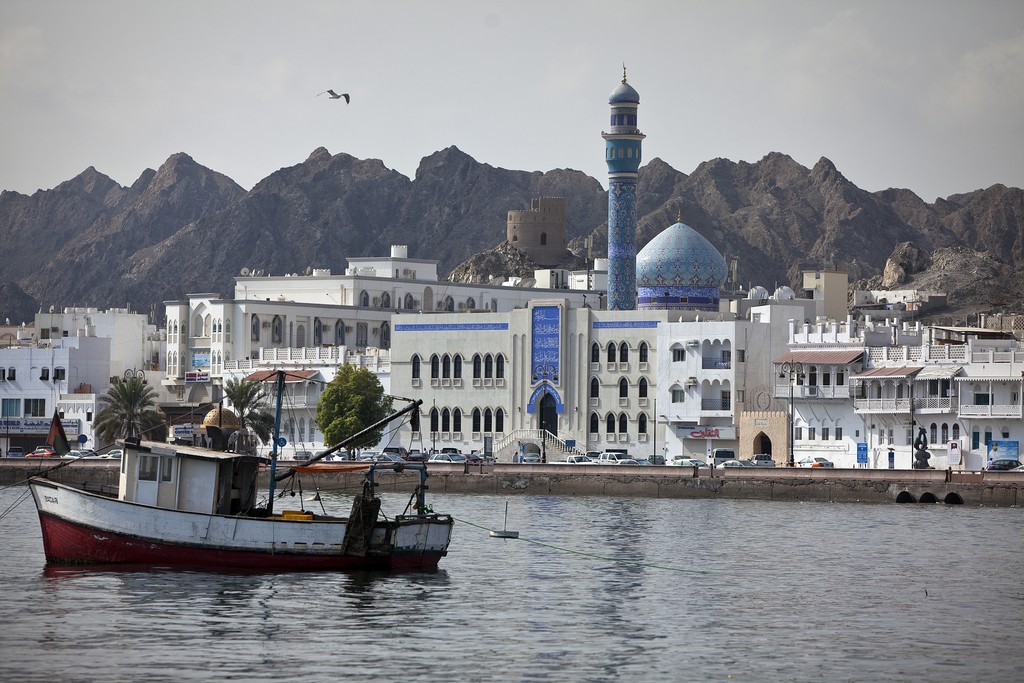
MUSCAT: Oman’s long-term and short-term foreign and local currency sovereign rating lowered because of the halving of oil prices to less than 60 dollar a barrel.
An international ratings agency downgrade of Oman and Bahrain will make it more expensive for them to borrow to finance widening fiscal deficits, analysts said. The move by Standard and Poor’s could also hit bank ratings.


Oil prices have rebounded over the past two weeks on signs that the price slump has started to affect oil production. S&P has initiated the downgrades since it lowered its forecast for the average oil price to $55 per barrel this year, down from last year’s forecast of $80 per barrel.
It also changed its outlook for Saudi Arabia to negative from stable, while affirming its rating for the world’s biggest oil exporter. The rating agency also affirmed the ratings for Abu Dhabi and Qatar, citing their strong external and fiscal buffers as defences against the oil price drop.
“The downgrades should increase Bahrain and Oman’s cost of borrowing with yields likely to rise over time. However immediate impact has been somewhat muted,” said Amer Khan, head of asset management at the financial services firm Shuaa Capital.
“A negative outlook on Saudi Arabia, where government debt is minimal and reserves currently high, is unlikely to have considerable effect in the near term.”
All Arabian Gulf countries, except Kuwait, will post fiscal deficits this year, according to the IMF, which estimated that all six Arabian Gulf states will collectively lose $300 billion in oil revenues.
Oman and Bahrain are expected to post the highest deficits among the six Gulf states owing to their high break-even prices of oil. Bahrain needed a price of $125 per barrel in 2014 to balance its budget, the highest in the Gulf region, S&P said.
Bahrain’s government debt has doubled since 2009 and reached 43 per cent of GDP at the end of 2014. The ratings agency estimates that government net debt will double to 20 per cent of GDP by the end of this year from 10 percent of GDP in 2014.
The sectors that are likely to be affected from the downgrades are those that rely on cheap energy feedstock. Both Bahrain and Oman are increasing gas prices to industrial firms in attempts to reduce energy subsidies that are a burden on their budgets.