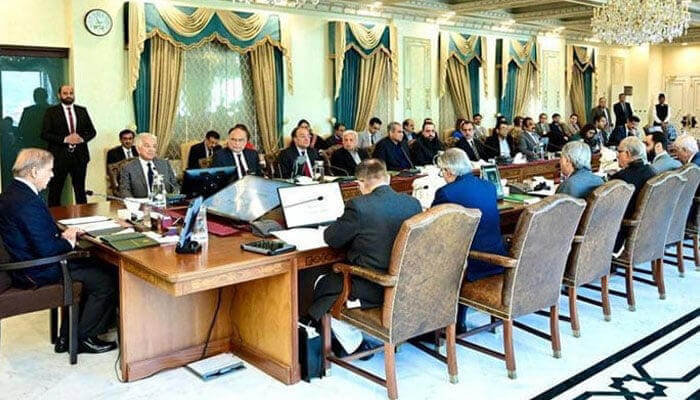
ISLAMABAD: The federal cabinet has approved significant tariff concessions for Afghanistan under the Early Harvest Programme. The Ministry of Commerce circulated the proposal for approval, which received the green light without objection. This new trade initiative aims to expand bilateral economic cooperation and enhance agricultural exports. Officials say the policy will support regional stability through stronger economic ties. The new tariff regime will be effective from August 1, 2025, to July 31, 2026.
Under this deal, both countries will ease customs duties on four agricultural products each. Pakistan will reduce or eliminate duties on Afghan tomatoes, grapes, pomegranates, and apples. For instance, the duty on tomatoes will be removed, dropping the overall tax from 27% to 22%.


The duty on grapes, apples, and pomegranates will be cut by 26%, bringing their tax rates down to 27%. These products are commonly imported by Pakistan, especially during off-seasons, helping stabilize local markets.
In return, Afghanistan will offer relief on key Pakistani exports like potatoes, bananas, mangoes, and kinnows. The customs duty on potatoes will decrease by 35%, reducing the overall tax from 57% to 22%. Bananas will see a 30% cut in duties, while mangoes and kinnows will face a 20% reduction.
These products have growing demand in Afghan markets, and the lower taxes are expected to boost Pakistan’s agricultural exports in the region.
Although both sides will still apply a base tax of 22% to 27%, the concessions represent a major policy shift. Officials believe the relief will help exporters stay competitive amid rising logistics costs. Moreover, it may lower consumer prices for fresh produce in both countries.
The deal also supports broader regional trade efforts, especially as land routes via Afghanistan serve as key links to Central Asia.
The Early Harvest Programme was finalized between both governments last week after months of negotiation. Trade experts say the agreement could pave the way for a full Free Trade Agreement in the future.
The Ministry of Commerce emphasized that boosting cross-border trade is essential for Pakistan’s economic growth. Farmers, transporters, and small traders are expected to benefit most from this initiative, creating economic ripple effects in border regions.